View of Fengqing County in SW China's Yunnan
Source: Xinhua | 2026-07-30 | Editor:Doe
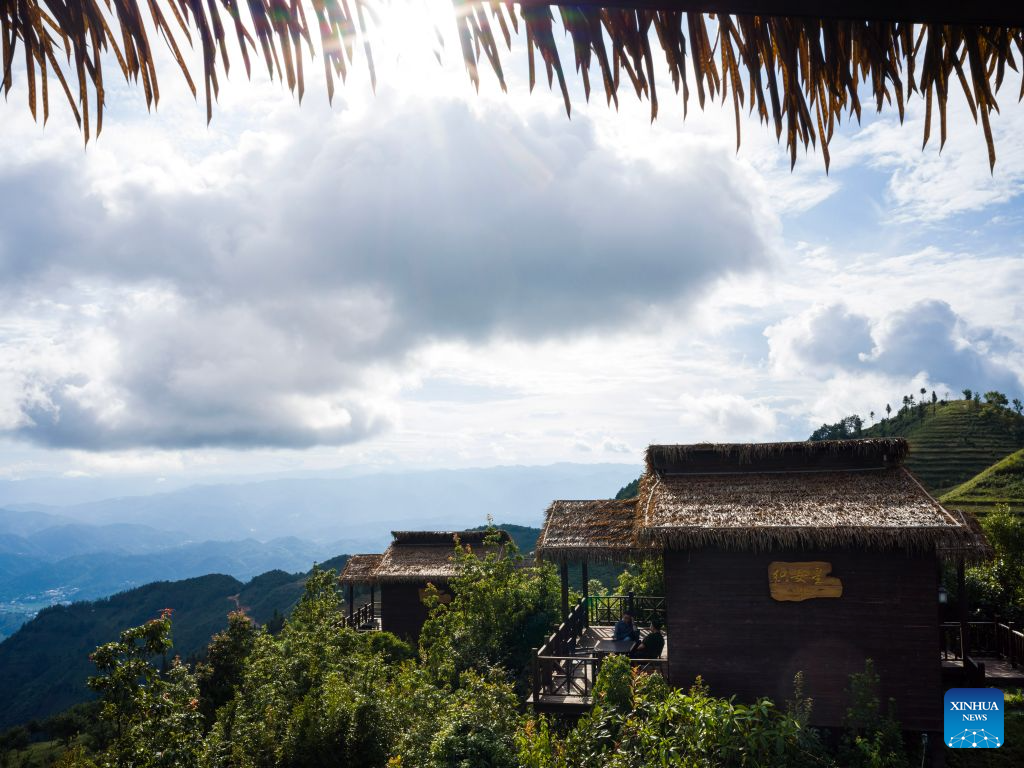
This photo taken on July 24, 2026 shows a homestay at Zhonghe Village in Mengyou Town of Fengqing County in Lincang, southwest China's Yunnan Province. Fengqing County, which boasts a long history of tea cultivation and tea production, has about 300,000 mu (about 20,000 hectares) of tea plantations, and is home to an ancient tea tree estimated to be around 3,200 years old.
The county is also featured by many historical sites, including well-preserved architectural complexes, a pagoda built in the Qing Dynasty (1644-1911), ancient water-powered mills and Lushi ancient town, an important trading hub on the ancient Tea Horse Road. (Photo by Lan Hongguang/Xinhua)

This photo taken on July 26, 2026 shows a view of Lushi ancient town in Fengqing County of Lincang, southwest China's Yunnan Province. Fengqing County, which boasts a long history of tea cultivation and tea production, has about 300,000 mu (about 20,000 hectares) of tea plantations, and is home to an ancient tea tree estimated to be around 3,200 years old.
The county is also featured by many historical sites, including well-preserved architectural complexes, a pagoda built in the Qing Dynasty (1644-1911), ancient water-powered mills and Lushi ancient town, an important trading hub on the ancient Tea Horse Road. (Photo by Lan Hongguang/Xinhua)
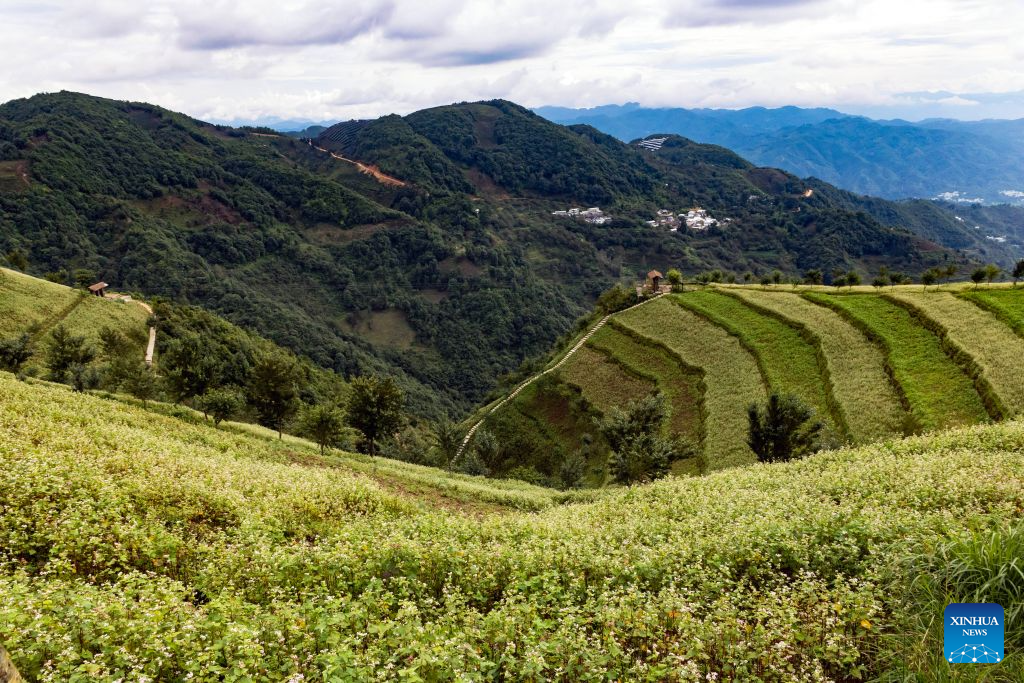
This photo taken on July 24, 2026 shows a view of Zhonghe Village in Mengyou Town of Fengqing County in Lincang, southwest China's Yunnan Province. Fengqing County, which boasts a long history of tea cultivation and tea production, has about 300,000 mu (about 20,000 hectares) of tea plantations, and is home to an ancient tea tree estimated to be around 3,200 years old.
The county is also featured by many historical sites, including well-preserved architectural complexes, a pagoda built in the Qing Dynasty (1644-1911), ancient water-powered mills and Lushi ancient town, an important trading hub on the ancient Tea Horse Road. (Photo by Lan Hongguang/Xinhua)
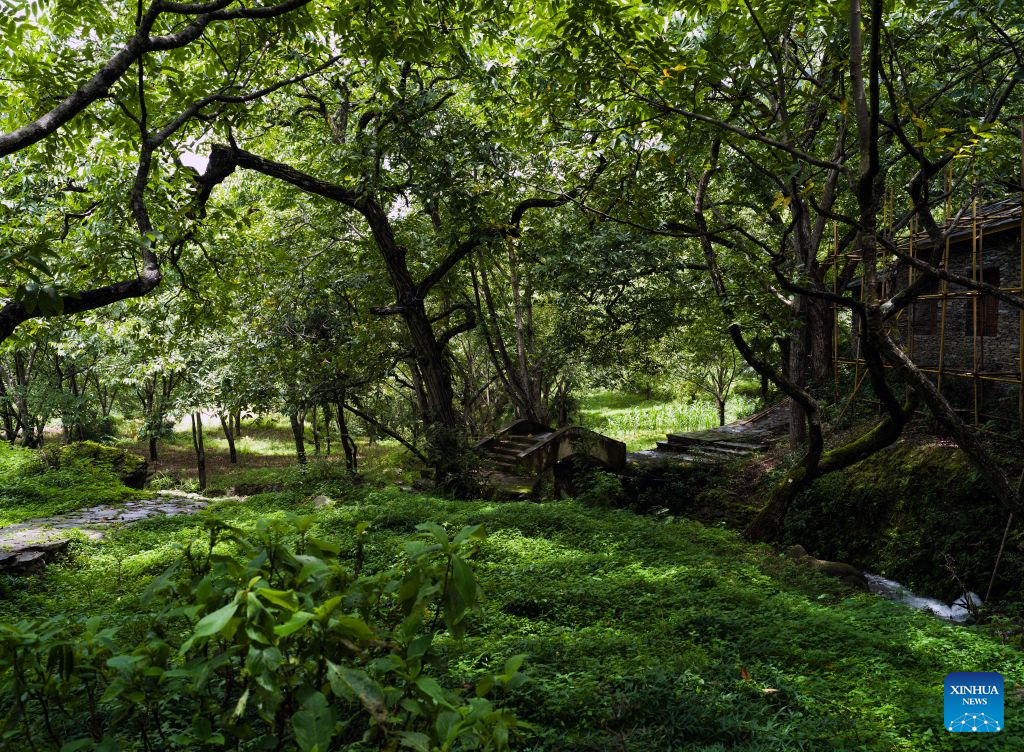
This photo taken on July 26, 2026 shows a view of a historic cluster of hydro-powered mills at Gumo Village in Shili Township of Fengqing County in Lincang, southwest China's Yunnan Province. Located in the middle reaches of Liulang River, 21 out of 27 water-powered mills are still functional. Fengqing County, which boasts a long history of tea cultivation and tea production, has about 300,000 mu (about 20,000 hectares) of tea plantations, and is home to an ancient tea tree estimated to be around 3,200 years old.
The county is also featured by many historical sites, including well-preserved architectural complexes, a pagoda built in the Qing Dynasty (1644-1911), ancient water-powered mills and Lushi ancient town, an important trading hub on the ancient Tea Horse Road. (Photo by Lan Hongguang/Xinhua)

This photo taken on July 26, 2026 shows a pagoda built during the Qing Dynasty (1644-1911) in Fengqing County in Lincang, southwest China's Yunnan Province. Fengqing County, which boasts a long history of tea cultivation and tea production, has about 300,000 mu (about 20,000 hectares) of tea plantations, and is home to an ancient tea tree estimated to be around 3,200 years old.
The county is also featured by many historical sites, including well-preserved architectural complexes, a pagoda built in the Qing Dynasty (1644-1911), ancient water-powered mills and Lushi ancient town, an important trading hub on the ancient Tea Horse Road. (Photo by Lan Hongguang/Xinhua)

This photo taken on July 24, 2026 shows a view of Zhonghe Village in Mengyou Town in Fengqing County of Lincang, southwest China's Yunnan Province. Fengqing County, which boasts a long history of tea cultivation and tea production, has about 300,000 mu (about 20,000 hectares) of tea plantations, and is home to an ancient tea tree estimated to be around 3,200 years old.
The county is also featured by many historical sites, including well-preserved architectural complexes, a pagoda built in the Qing Dynasty (1644-1911), ancient water-powered mills and Lushi ancient town, an important trading hub on the ancient Tea Horse Road. (Photo by Lan Hongguang/Xinhua)
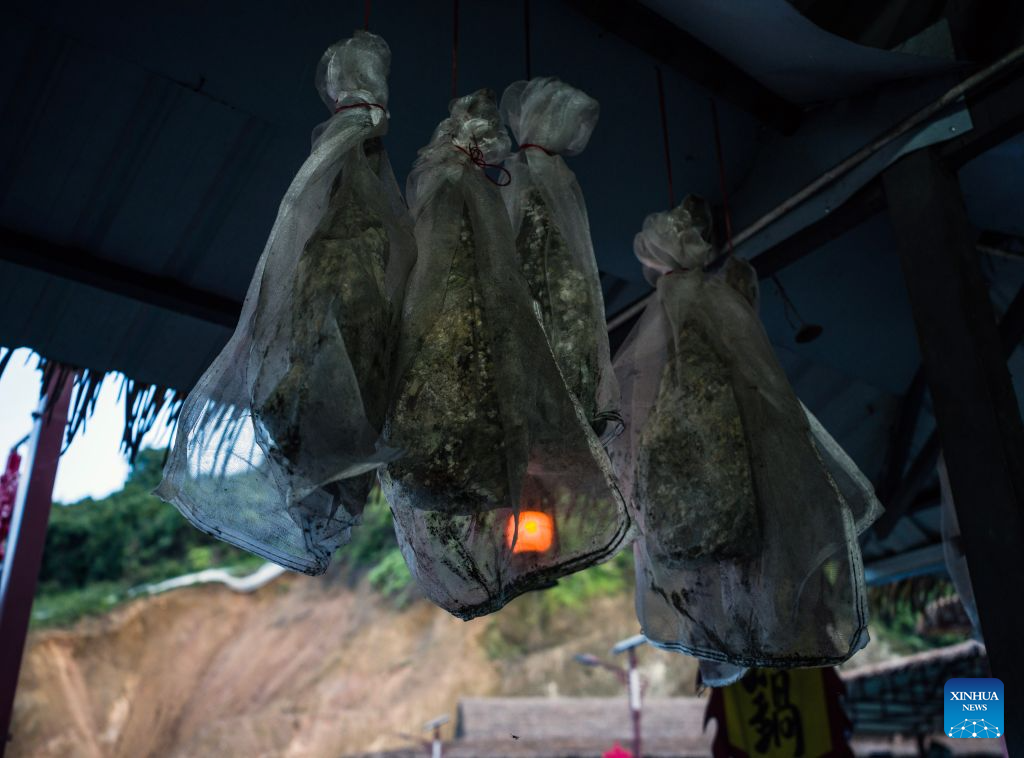
This photo taken on July 24, 2026 shows locally made hams at Zhonghe Village in Mengyou Town of Fengqing County in Lincang, southwest China's Yunnan Province. Fengqing County, which boasts a long history of tea cultivation and tea production, has about 300,000 mu (about 20,000 hectares) of tea plantations, and is home to an ancient tea tree estimated to be around 3,200 years old.
The county is also featured by many historical sites, including well-preserved architectural complexes, a pagoda built in the Qing Dynasty (1644-1911), ancient water-powered mills and Lushi ancient town, an important trading hub on the ancient Tea Horse Road. (Photo by Lan Hongguang/Xinhua)
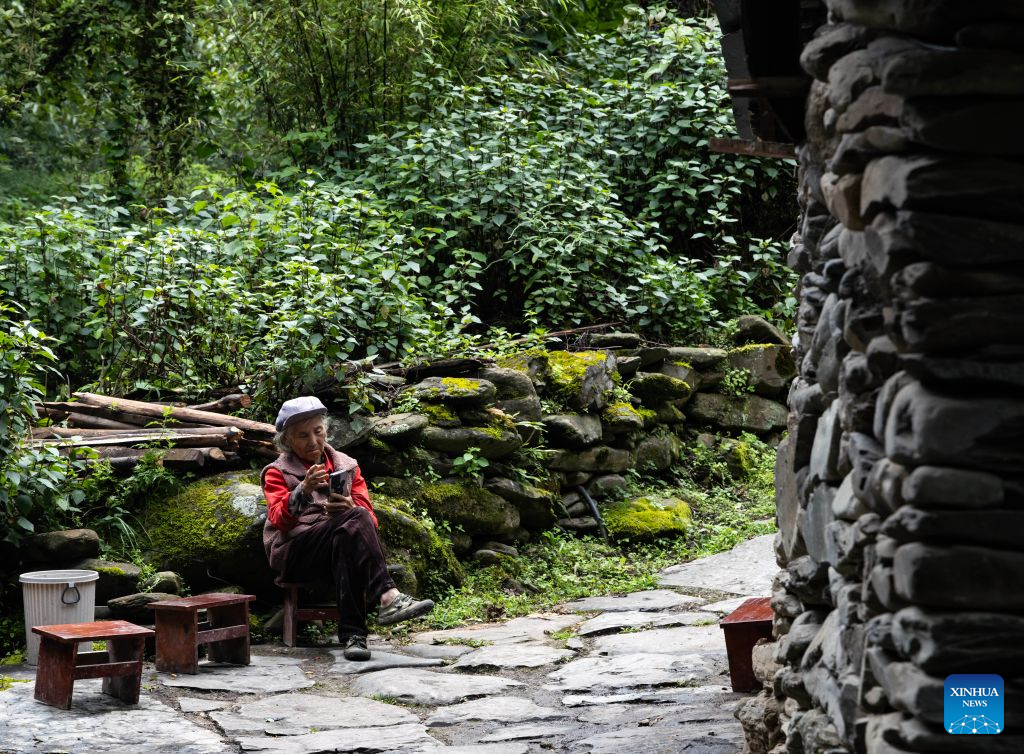
Li Zhu, an elderly villager running local hydro-powered mills, is pictured at Gumo Village in Shili Township of Fengqing County in Lincang, southwest China's Yunnan Province, on July 26, 2026. Located in the middle reaches of Liulang River, 21 out of 27 water-powered mills are still functional. Fengqing County, which boasts a long history of tea cultivation and tea production, has about 300,000 mu (about 20,000 hectares) of tea plantations, and is home to an ancient tea tree estimated to be around 3,200 years old.
The county is also featured by many historical sites, including well-preserved architectural complexes, a pagoda built in the Qing Dynasty (1644-1911), ancient water-powered mills and Lushi ancient town, an important trading hub on the ancient Tea Horse Road. (Photo by Lan Hongguang/Xinhua)
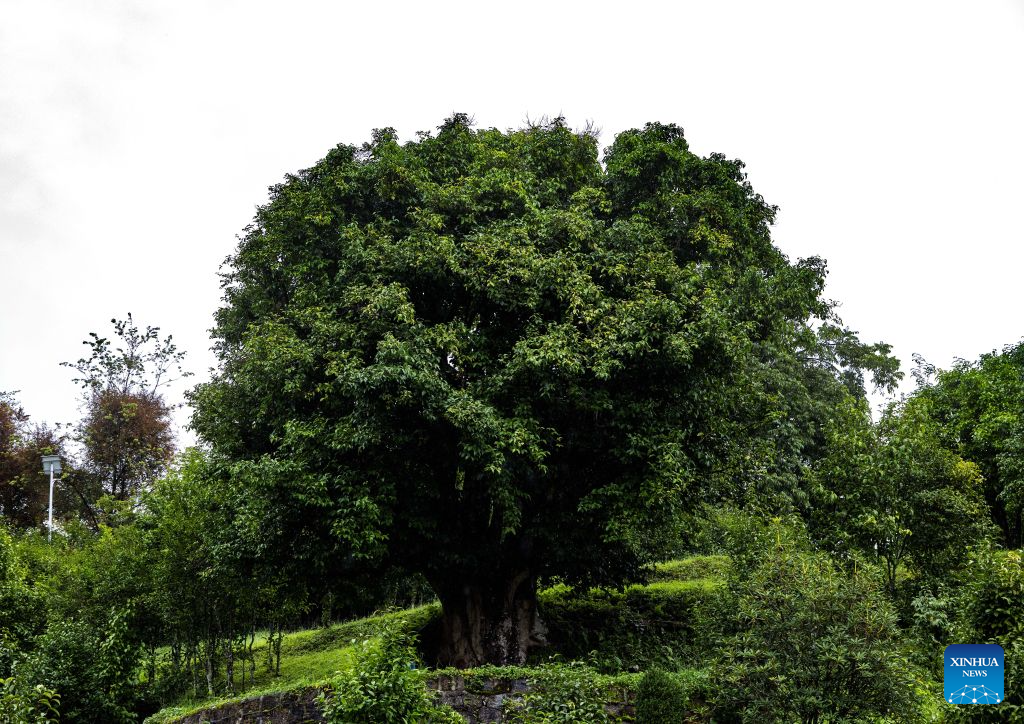
This photo taken on July 24, 2026 shows an ancient tea tree estimated to be around 3,200 years old at Jinxiu Village in Xiaowan Town of Fengqing County in Lincang, southwest China's Yunnan Province. Fengqing County, which boasts a long history of tea cultivation and tea production, has about 300,000 mu (about 20,000 hectares) of tea plantations, and is home to an ancient tea tree estimated to be around 3,200 years old.
The county is also featured by many historical sites, including well-preserved architectural complexes, a pagoda built in the Qing Dynasty (1644-1911), ancient water-powered mills and Lushi ancient town, an important trading hub on the ancient Tea Horse Road. (Photo by Lan Hongguang/Xinhua)
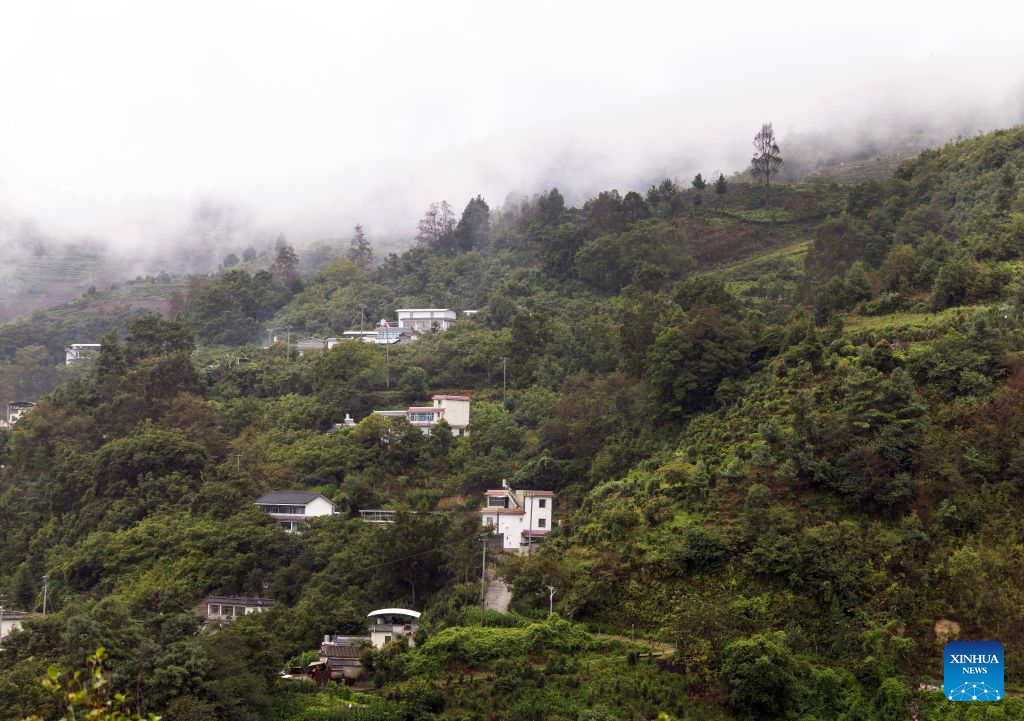
This photo taken on July 24, 2026 shows newly-built residential houses in Xiaowan Town of Fengqing County in Lincang, southwest China's Yunnan Province. Fengqing County, which boasts a long history of tea cultivation and tea production, has about 300,000 mu (about 20,000 hectares) of tea plantations, and is home to an ancient tea tree estimated to be around 3,200 years old.
The county is also featured by many historical sites, including well-preserved architectural complexes, a pagoda built in the Qing Dynasty (1644-1911), ancient water-powered mills and Lushi ancient town, an important trading hub on the ancient Tea Horse Road. (Photo by Lan Hongguang/Xinhua)
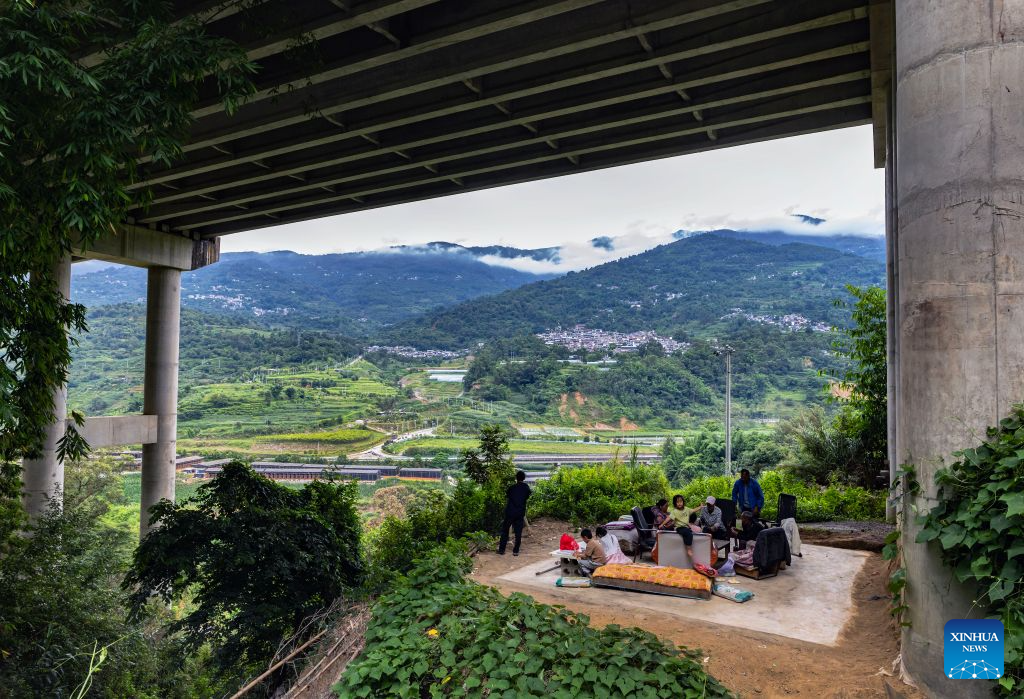
Villagers are pictured at Luming Village of Fengqing County in Lincang, southwest China's Yunnan Province, on July 24, 2026. Fengqing County, which boasts a long history of tea cultivation and tea production, has about 300,000 mu (about 20,000 hectares) of tea plantations, and is home to an ancient tea tree estimated to be around 3,200 years old.
The county is also featured by many historical sites, including well-preserved architectural complexes, a pagoda built in the Qing Dynasty (1644-1911), ancient water-powered mills and Lushi ancient town, an important trading hub on the ancient Tea Horse Road. (Photo by Lan Hongguang/Xinhua)

A woman in ethnic attire makes a phone call at Jinxiu Village of Fengqing County in Lincang, southwest China's Yunnan Province, on July 24, 2026. Fengqing County, which boasts a long history of tea cultivation and tea production, has about 300,000 mu (about 20,000 hectares) of tea plantations, and is home to an ancient tea tree estimated to be around 3,200 years old.
The county is also featured by many historical sites, including well-preserved architectural complexes, a pagoda built in the Qing Dynasty (1644-1911), ancient water-powered mills and Lushi ancient town, an important trading hub on the ancient Tea Horse Road. (Photo by Lan Hongguang/Xinhua)

Women in ethnic attire sing a tea-picking folk song at Jinxiu Village in Xiaowan Town of Fengqing County in Lincang, southwest China's Yunnan Province, on July 24, 2026. Fengqing County, which boasts a long history of tea cultivation and tea production, has about 300,000 mu (about 20,000 hectares) of tea plantations, and is home to an ancient tea tree estimated to be around 3,200 years old.
The county is also featured by many historical sites, including well-preserved architectural complexes, a pagoda built in the Qing Dynasty (1644-1911), ancient water-powered mills and Lushi ancient town, an important trading hub on the ancient Tea Horse Road. (Photo by Lan Hongguang/Xinhua)
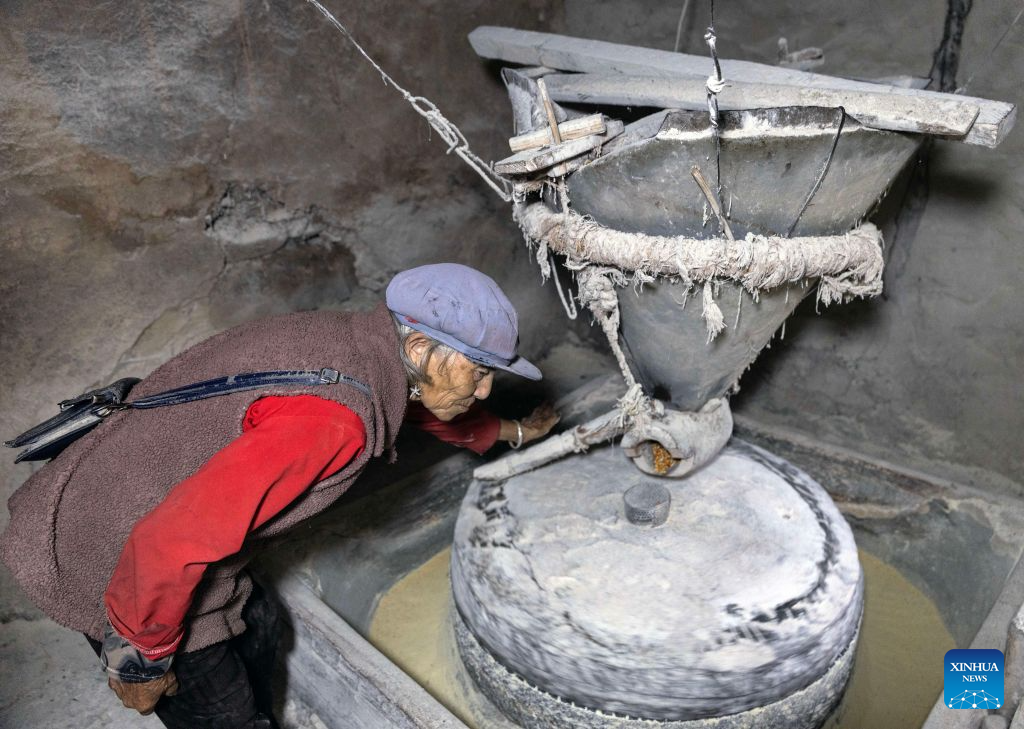
Li Zhu, an elderly villager running local hydro-powered mills, checks the operation of a mill at Gumo Village in Shili Township of Fengqing County in Lincang, southwest China's Yunnan Province, on July 26, 2026. Located in the middle reaches of Liulang River, 21 out of 27 water-powered mills are still functional. Fengqing County, which boasts a long history of tea cultivation and tea production, has about 300,000 mu (about 20,000 hectares) of tea plantations, and is home to an ancient tea tree estimated to be around 3,200 years old.
The county is also featured by many historical sites, including well-preserved architectural complexes, a pagoda built in the Qing Dynasty (1644-1911), ancient water-powered mills and Lushi ancient town, an important trading hub on the ancient Tea Horse Road. (Photo by Lan Hongguang/Xinhua)
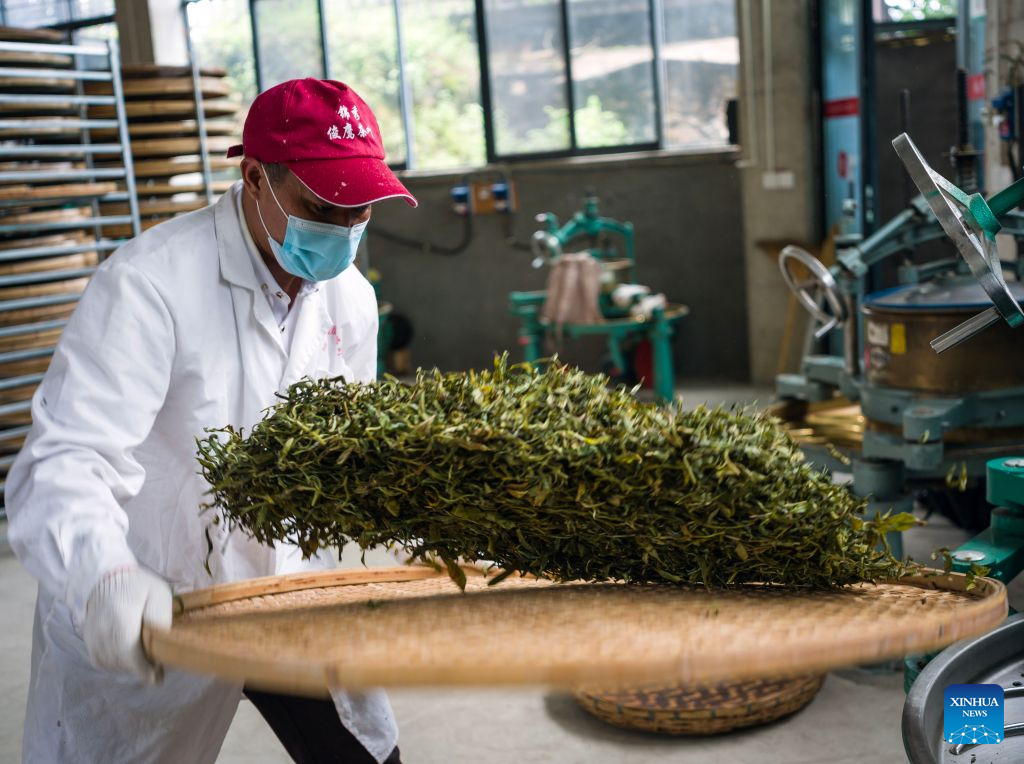
Tea maker Cha Zhengping tosses freshly roasted tea leaves to cool off at Jinxiu Village of Fengqing County in Lincang, southwest China's Yunnan Province, on July 24, 2026. Fengqing County, which boasts a long history of tea cultivation and tea production, has about 300,000 mu (about 20,000 hectares) of tea plantations, and is home to an ancient tea tree estimated to be around 3,200 years old.
The county is also featured by many historical sites, including well-preserved architectural complexes, a pagoda built in the Qing Dynasty (1644-1911), ancient water-powered mills and Lushi ancient town, an important trading hub on the ancient Tea Horse Road. (Photo by Lan Hongguang/Xinhua)
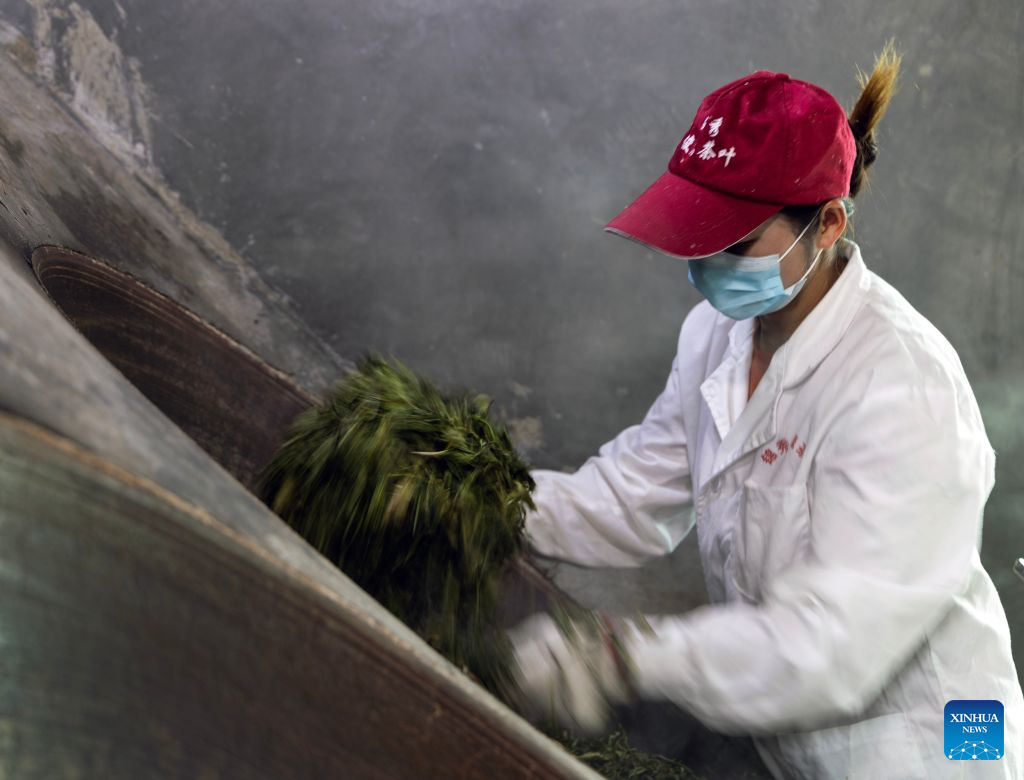
Tea maker Bi Junying roasts tea leaves at Jinxiu Village of Fengqing County in Lincang, southwest China's Yunnan Province, on July 24, 2026. Fengqing County, which boasts a long history of tea cultivation and tea production, has about 300,000 mu (about 20,000 hectares) of tea plantations, and is home to an ancient tea tree estimated to be around 3,200 years old.
The county is also featured by many historical sites, including well-preserved architectural complexes, a pagoda built in the Qing Dynasty (1644-1911), ancient water-powered mills and Lushi ancient town, an important trading hub on the ancient Tea Horse Road. (Photo by Lan Hongguang/Xinhua)
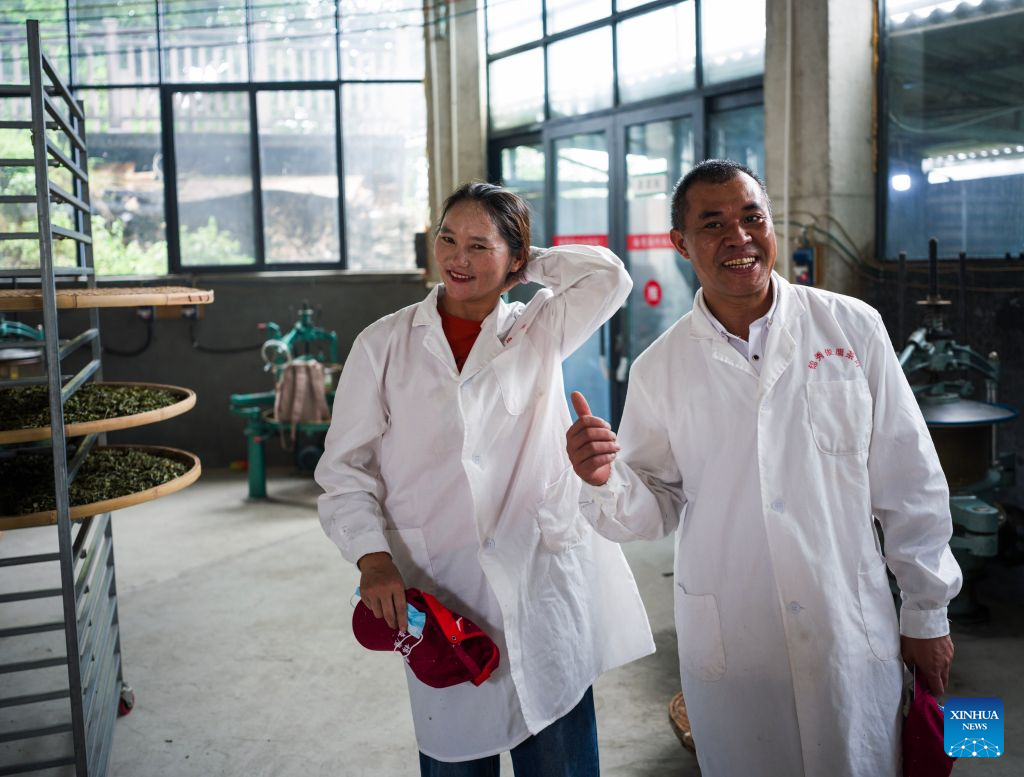
Cha Zhengping (R) and his wife Bi Junying, both experienced tea makers, are pictured at Jinxiu Village in Xiaowan Town of Fengqing County in Lincang, southwest China's Yunnan Province, on July 24, 2026. Fengqing County, which boasts a long history of tea cultivation and tea production, has about 300,000 mu (about 20,000 hectares) of tea plantations, and is home to an ancient tea tree estimated to be around 3,200 years old.
The county is also featured by many historical sites, including well-preserved architectural complexes, a pagoda built in the Qing Dynasty (1644-1911), ancient water-powered mills and Lushi ancient town, an important trading hub on the ancient Tea Horse Road. (Photo by Lan Hongguang/Xinhua)
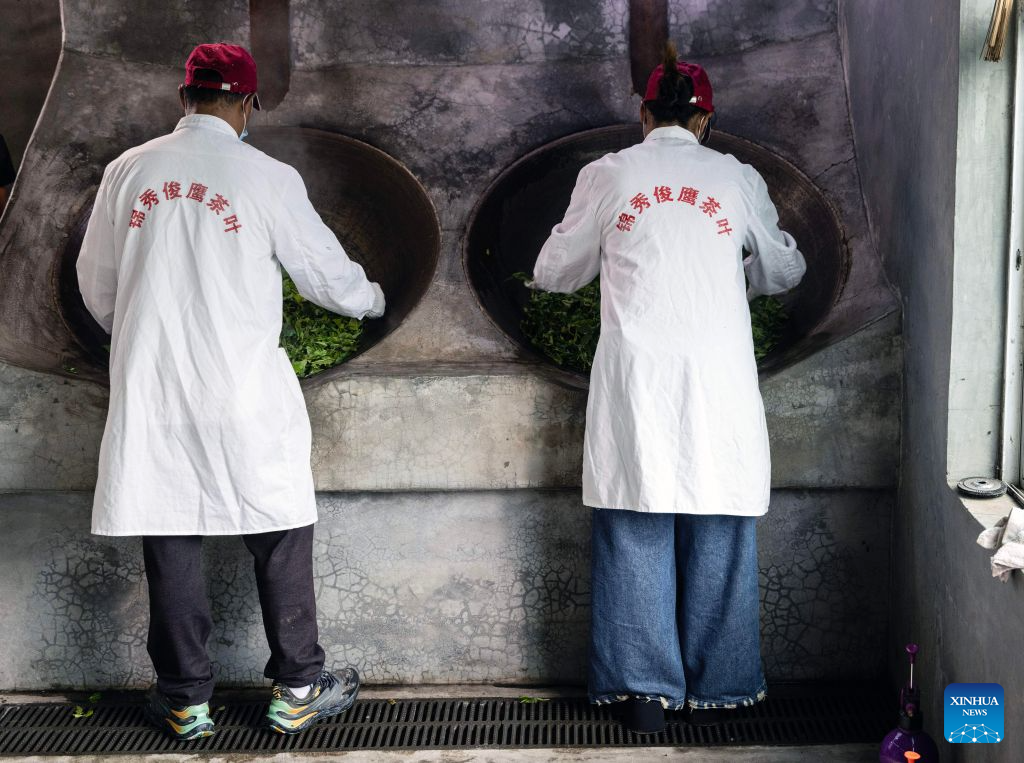
Cha Zhengping (L) and his wife Bi Junying, both experienced tea makers, roast tea leaves at Jinxiu Village in Xiaowan Town of Fengqing County in Lincang, southwest China's Yunnan Province, on July 24, 2026. Fengqing County, which boasts a long history of tea cultivation and tea production, has about 300,000 mu (about 20,000 hectares) of tea plantations, and is home to an ancient tea tree estimated to be around 3,200 years old.
The county is also featured by many historical sites, including well-preserved architectural complexes, a pagoda built in the Qing Dynasty (1644-1911), ancient water-powered mills and Lushi ancient town, an important trading hub on the ancient Tea Horse Road. (Photo by Lan Hongguang/Xinhua)
You May Like
-
A Letter from Kunming | CoE International Jury Visits Haiyan...
11 leading coffee judges from different countries have arrived in Kunming for the 2nd Gems of Yunnan 2026 (Cup of Excellence Pilot Competition in Yunnan).
InKunming 2026-06-24 -
Cactus industry revitalizes karst village in China's Yunnan
In the past, rocky desertification from the karst landscape left 80 percent of the village's land barren, driving most young people to seek work elsewhere. Yet ...
InKunming 2026-06-23 -
Baisha ancient town in China's Yunnan injects new vitality i...
In recent years, Baisha ancient town has drawn on its historical legacy and rich ethnic cultural resources to advance the preservation, transmission and innovat...
InKunming 2026-06-22 -
A Letter from Kunming | Kunming, China Invites Global Busine...
Open and sincere, Kunming welcomes the world; in its summer months, gentle breezes are a constant companion.
InKunming 2026-06-10 -
Chinese vice premier urges deepened efforts for high-quality...
Chinese Vice Premier Ding Xuexiang called for deepened efforts to advance the high-quality development of basic education during a recent inspection tour in s...
InKunming 2026-06-04 -
Lotus blooms paint a vibrant summer scene in Yunnan
In early summer, lotus flowers have entered their blooming season in Bailianshan village of Qiubei county, Yunnan province.
InKunming 2026-06-03 -
View of Erhai Lake in China's Yunnan
The view of Erhai Lake in Dali, southwest China's Yunnan Province.
InKunming 2026-06-02 -
China-France Young Leaders Program opens in Yunnan to boost ...
Officials, experts, and business leaders from China and France gathered in Kunming, Yunnan province, on Friday to promote technology and innovation collaboratio...
InKunming 2026-06-02 -
Forum on promoting global ecological civilization held in so...
A forum focused on advancing global ecological civilization was held on Saturday in Dali.
InKunming 2026-06-01 -
Friendship gallops across the Kazakh steppe
InKunming 2026-05-28