Shao'erkuai: The Inseparable Breakfast of Every Yunnan Person
Source: InKunming | 2026-03-20 | Editor:Flynn
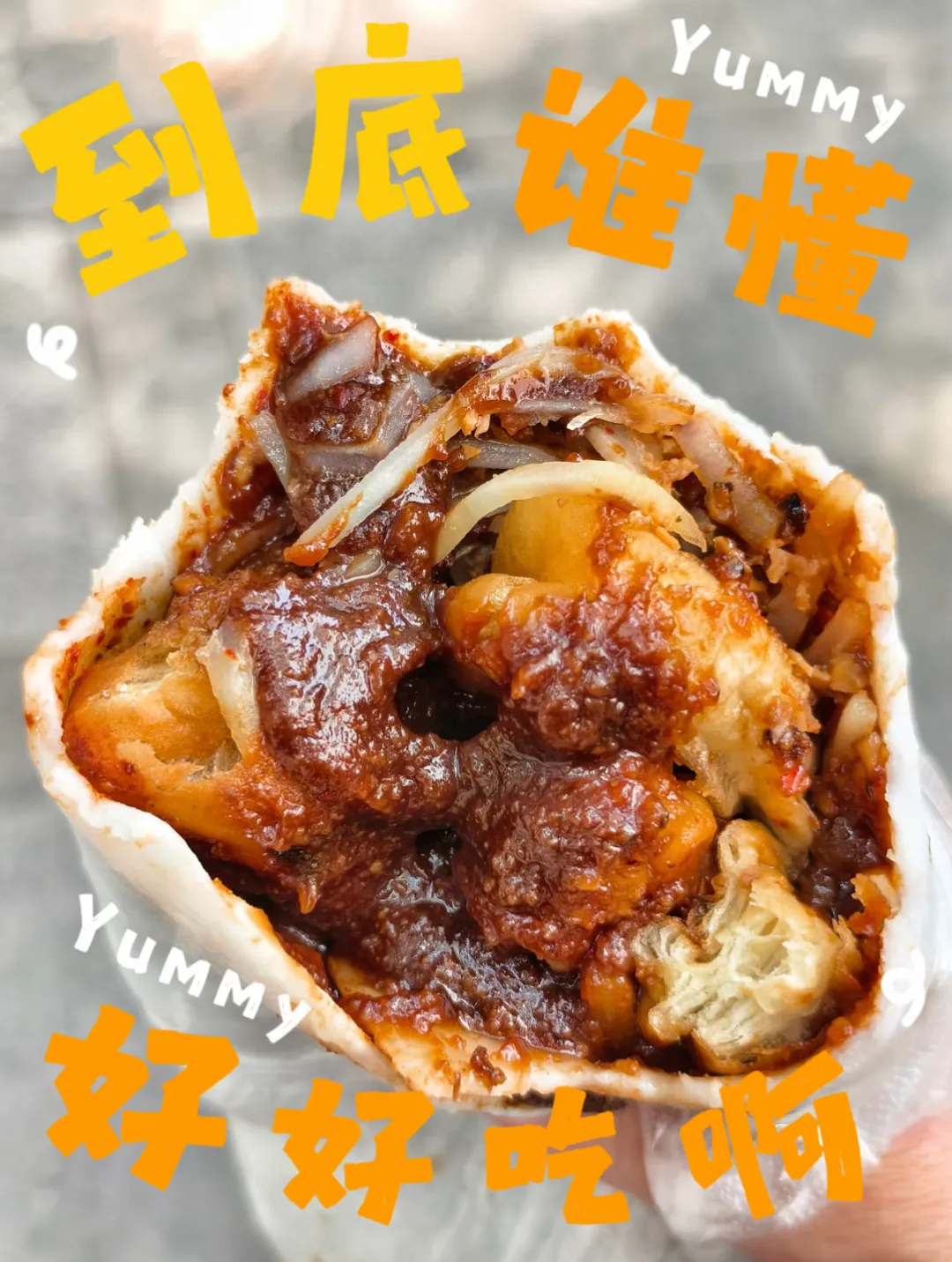
Photo by Youyuechuan
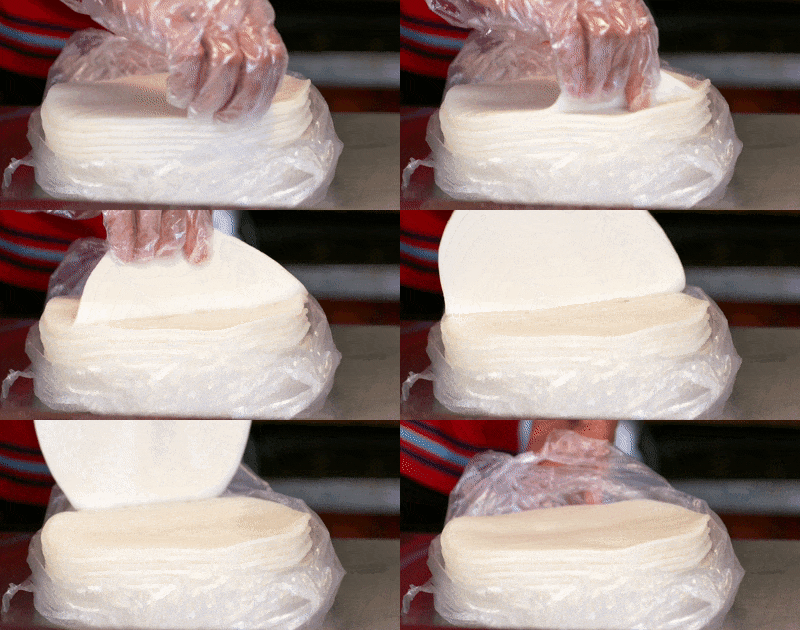
For many people in Yunnan, the morning begins with a shao'erkuai—a grilled rice cake roll.
At curbside stalls, a sheet of erkuai is brushed with sweet sauce and wrapped around a youtiao (Chinese fried dough stick.) Two simple steps embody the soul of a Yunnan breakfast.

Photos from Yunnan.cn, Dali Convergence Media
A well-made shao'erkuai should be thin, soft and pliable for rolling. It is grilled until the surface develops golden-brown charred spots and tiny blisters, yielding a lightly crisp exterior and a soft, pleasantly chewy interior.
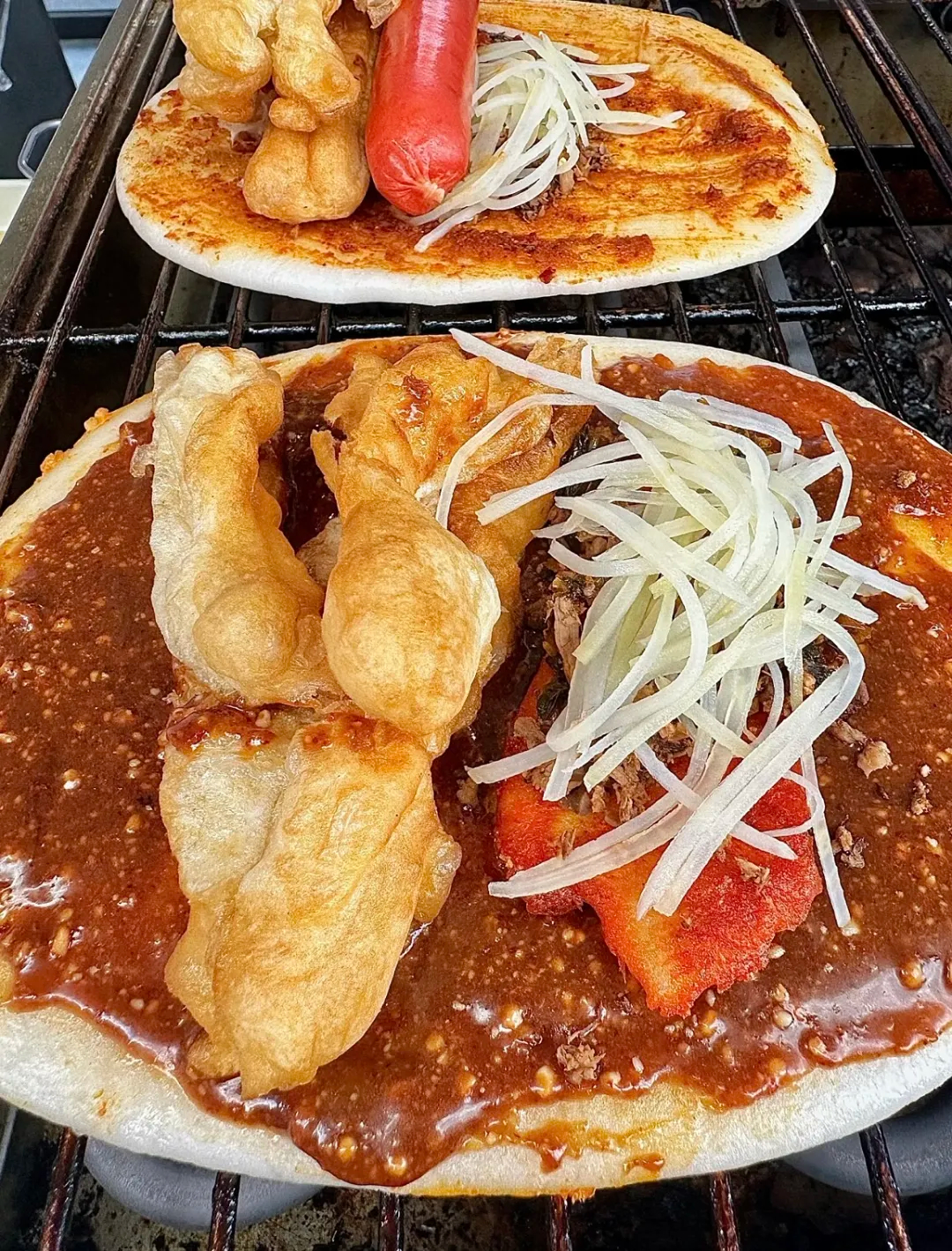
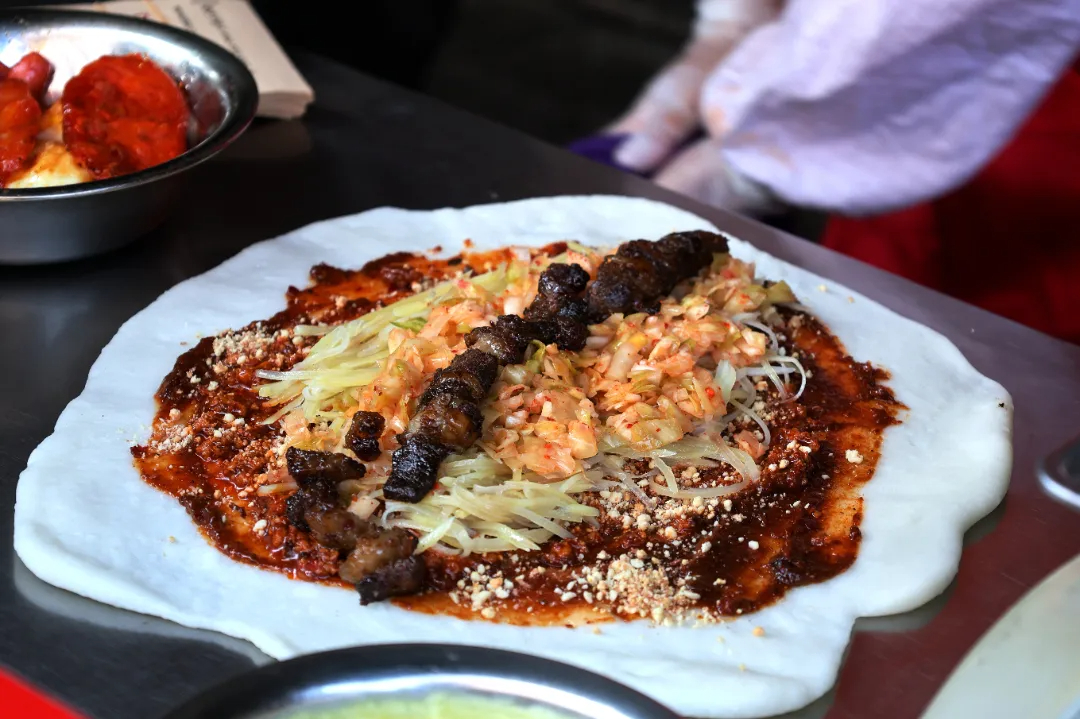
As for the sauces, for older generations in Yunnan, the classic favorites are sweet sauce and fermented bean curd. The sweet sauce offers a pure, mellow sweetness, while the fermented bean curd lends a rich, savory depth. The two complement each other perfectly without being cloying, and every vendor guards a closely held ratio of the two—this is the very essence of its flavor.
Photos from Youyuechuan, Dali Convergence Media
Finally come the classic fillings: youtiao for crunch, shredded potato to cut through the richness, pickled mustard greens for a tangy kick, crushed peanuts for nuttiness, and often a sausage as well. The combination of meat and vegetables delivers a full spectrum of textures and flavors. Wrapped tightly, it holds its form beautifully, with smoky char, chewy rice, savory sauce and crisp fillings mingling in every bite.
Erkuai, a traditional rice cake, lies at the very heart of Yunnan's rice-based food culture. In Yunnan, its status is akin to youtiao in Beijing or rice noodles in Guizhou—a beloved daily staple deeply rooted in local life. With a history spanning more than 2,000 years, er was already listed as a common food in Jijiu Pian as early as the Western Han Dynasty, and in the Tang Dynasty, the scholar Yan Shigu defined it as steamed rice dough.
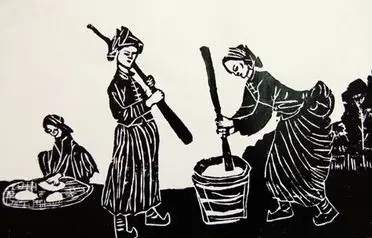
Photo from Yunnan Provincial Department of Culture and Tourism
Its preparation embodies the culinary wisdom passed down through generations. Carefully selected rice is soaked until soft, steamed in a wooden steamer, then transferred to a stone mortar and pounded repeatedly with a wooden pestle. With each rhythmic thud, the grains merge into a cohesive, springy dough, which is then kneaded and shaped.
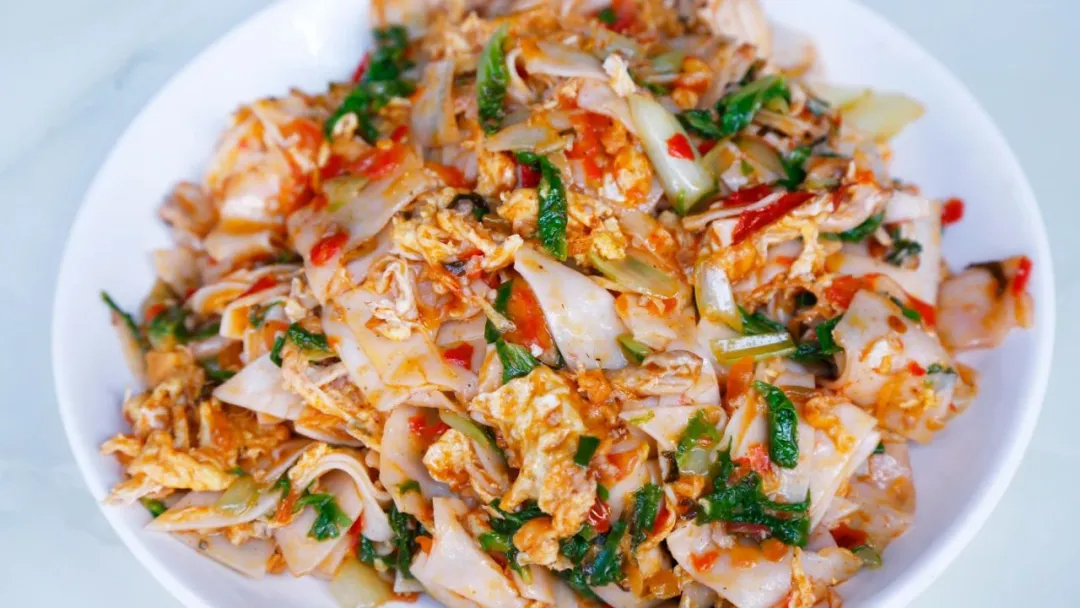
Photo from Baoshan News
Yunnan people's love for erkuai is manifested in its myriad preparations. One of the most famous is dajiujia from Tengchong. According to legend, when the Yongli Emperor of the Ming Dynasty fled to Tengchong, he was starving. Local villagers stir-fried erkuai with ham, eggs and leafy greens for him. After tasting it, he praised it highly and exclaimed that the dish "had saved the imperial carriage," thus giving birth to the name dajiujia, literally "Great Rescue of the Imperial Carriage." Today, it remains one of Tengchong's signature dishes for entertaining guests.
Photos from Dali Convergence Media
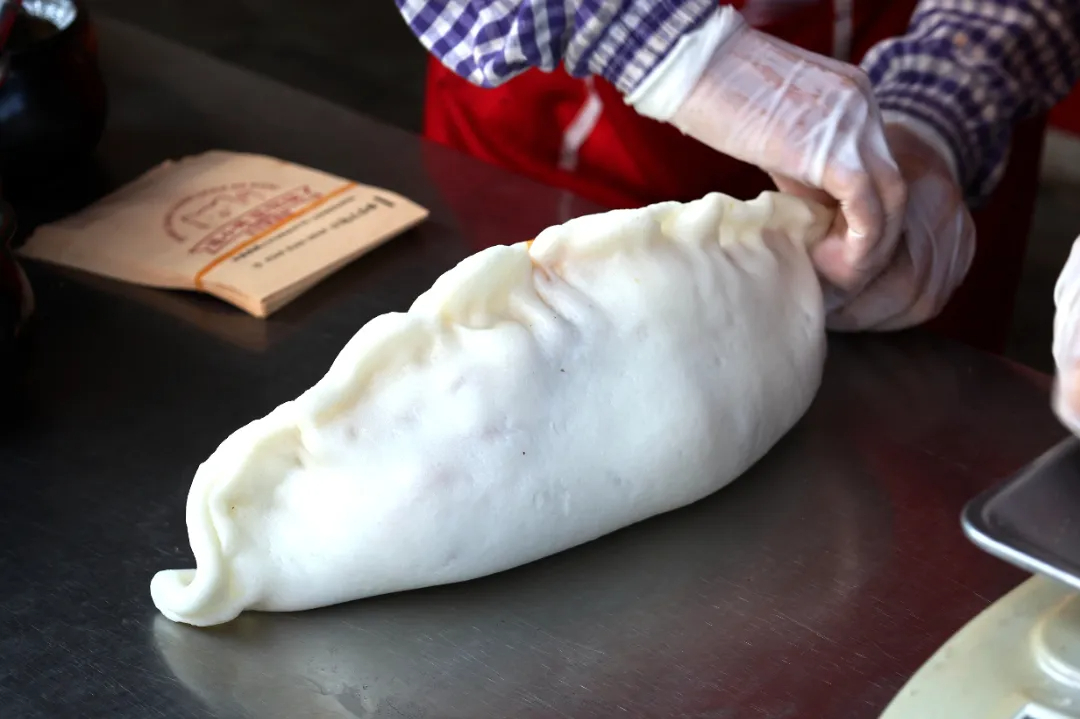
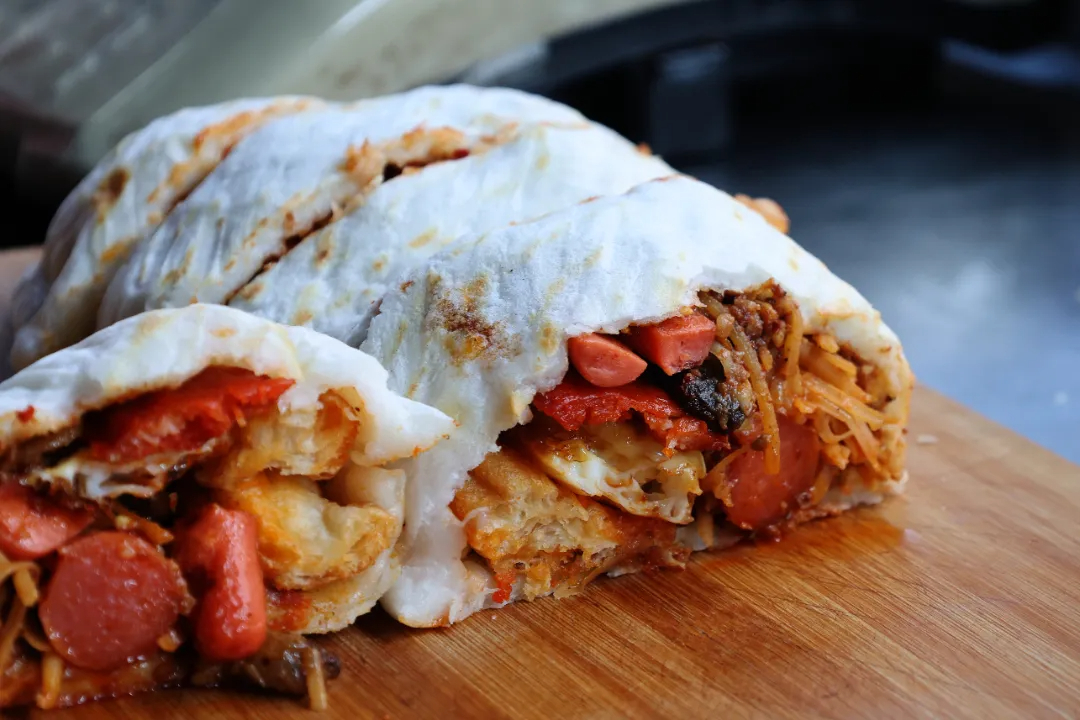
In Dali, hand-kneaded erkuai is often folded into a large dumpling-like parcel generously stuffed with fillings. Once cut open, it looks utterly irresistible even before the first bite.

Photos from Zhaotong Culture and Tourism
Zhaotong's yougao erkuai features local yellow-fleshed potatoes. The potatoes are steamed, mashed and seasoned, then coated in a thin rice batter and pan-fried until golden on both sides. They are then slathered with a special sauce blended from peanut butter, sweet bean sauce and chili sauce, and topped with chopped scallions and zhe'ergen, also known as Houttuynia cordata or fish mint. Finally, the freshly fried potato cake is wrapped in erkuai. The result is a delightful contrast of crisp and chewy textures, with the savory aroma of the sauce blending with the earthy fragrance of the potato—a single bite encapsulating the soul of a Zhaotong breakfast.
Photos from Lincang Convergence Media
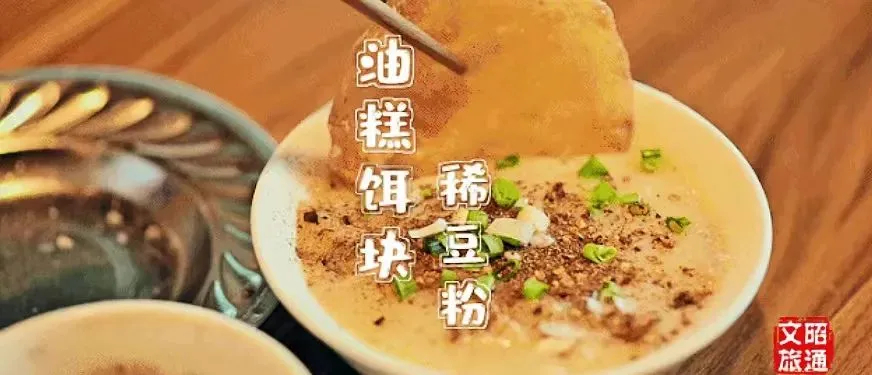
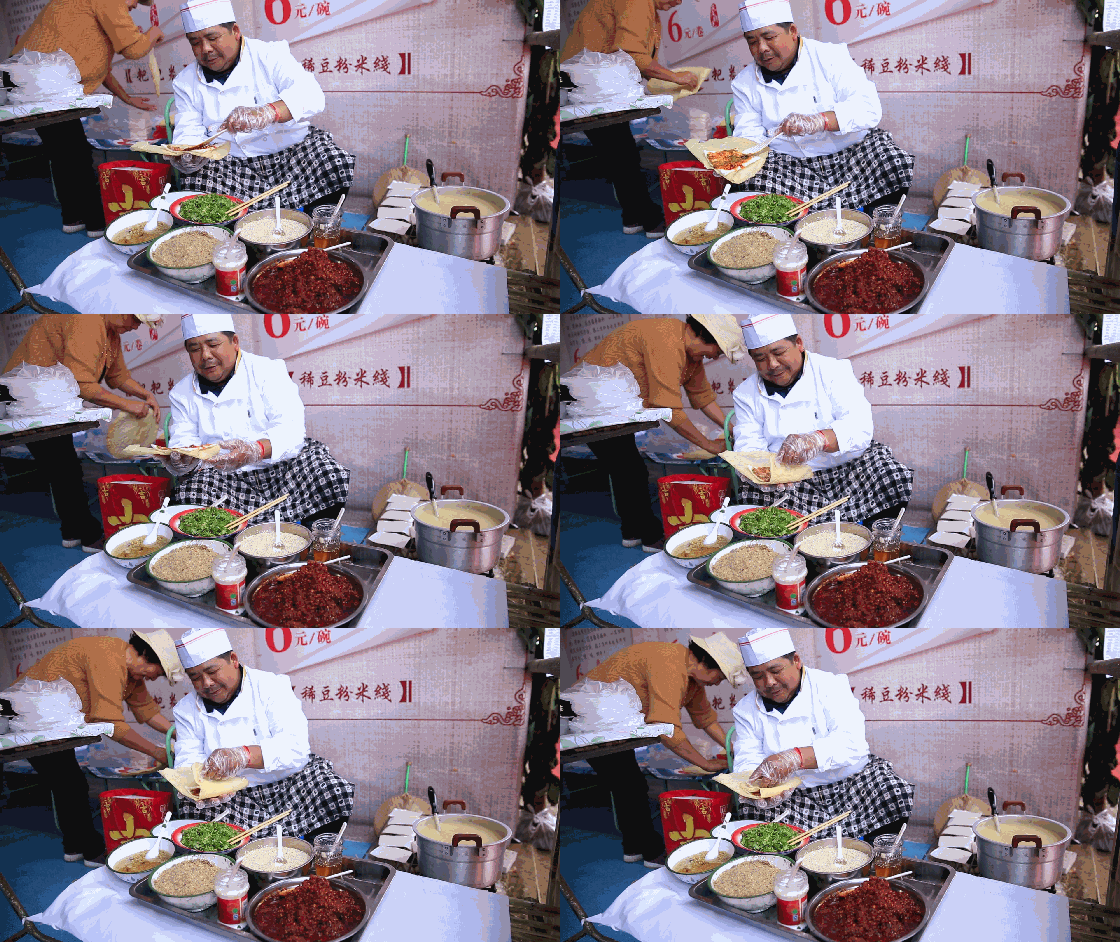
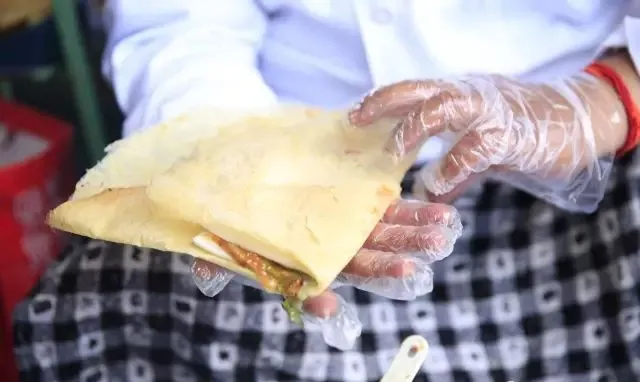
Xidoufen and erkuai are a match made in heaven. In Fengqing, Lincang, this combination is known as xidoufen baba juan. Its preparation is more intricate and its texture even richer: first, a charcoal-softened rice cake, or baba, is slathered with piping-hot xidoufen, then brushed with garlic oil, chili oil, sesame seeds and other seasonings. It is then wrapped tightly in a paper-thin, crisp pea cracker. One bite reveals three distinct layers of texture in succession: crisp on the outside, pleasantly chewy in the middle and tender within.
Every way of eating erkuai has its own appeal, but the one that speaks most deeply to the Yunnan soul is still the street-side shao'erkuai, clamped in an iron rack and slowly toasted over glowing charcoal.
Tomorrow morning, would you care to visit a Yunnan street stall and savor a shao'erkuai?
Click here to view the Chinese report
(Editors: Rachael, Flynn)
You May Like
-
Come to Kunming to Celebrate Your May Day Holiday!
With the May Day holiday approaching, have you already given in to that restless desire to travel? If you're still undecided about where to go, Kunming is an ex...
InKunming 2025-04-30 -
Novelty Coffee: Kunming's Quirky Attention-Grabber
In this city known as "Spring City," the untamed spirit of Yunnan is brewing wildly in coffee cups. Locals slurp down Douhua (a tofu pudding) rice noodles while...
InKunming 2025-04-08 -
Kunming's Monet Garden: A New Must-Visit Spot!
On February 10th, a brand-new garden near Dianchi Lake in Kunming captivated a number of visitors. Named Monet Garden, it is located close to the Haihong Wetlan...
InKunming 2025-02-13 -
Nation's snow destinations attract tourists from SE Asia
For as long as Nguyen Khanh Linh can remember, snow has been a rare sight across southern China, especially in Kunming, which is known for its year-round spring...
InKunming 2025-01-26 -
Kunming Jiahe Alley: Savoring Delicious Food Amidst Vibrant ...
On the first weekend of the New Year, Jiahe Alley on Longqing Road in Kunming was bustling with energy and vitality. The 24-hour Guochao Night Market pedestrian...
InKunming 2025-01-10 -
Legacy of Tea Horse Road lives on in Yunnan village
While other scenic places concentrate on showcasing their beauty and vibrancy, the attractiveness of Nakeli village in Pu'er city, Yunnan province, is perhaps b...
InKunming 2025-01-02 -
Ruili: China-Myanmar friendship endures at Border Defence Pr...
On 4 December, Sun Jialiang, principal of Yinjing Border Defence Primary School, came to the Yinjing branch of the Ruili Border Inspection Station of the Yunnan...
InKunming 2024-12-18 -
Yunnan film tour | Nostalgia in old villages
From December 17 to 21, the 6th Lancang-Mekong International Film Week was held in Phnom Penh, Cambodia.
InKunming 2024-12-17 -
1.71-kg black truffle found in China's Yunnan
A giant black truffle weighing 1.71 kg has been unearthed in southwest China's Yunnan Province, setting a new record for the heaviest black truffle ever found...
InKunming 2024-12-16 -
Dehong is "great in every way"
This is Dehong, a poetic city that is "great in every way".
InKunming 2024-11-05