Stitch by Stitch: Jin Huizhen’s Half-Century Devotion to Traditional Embroidery
Source: InKunming | 2026-01-12 | Editor:Rachel
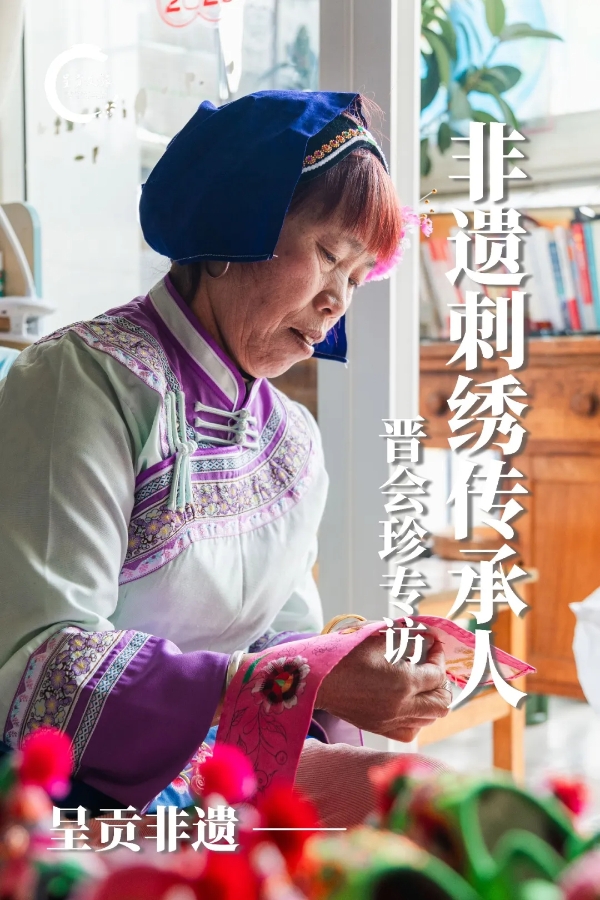
In a quiet home in Chenggong District, sunlight streams through the windows onto the balcony. Seated at a table, Jin Huizhen, a recognized inheritor of Chenggong embroidery, works in silence, her attention fixed on the silk before her. Needle and thread move rhythmically, and red and green stitches slowly reveal lotus blossoms and fluttering butterflies. Beneath this seemingly ordinary folk embroidery lie over fifty years of personal memories and the enduring cultural story of Chenggong embroidery.
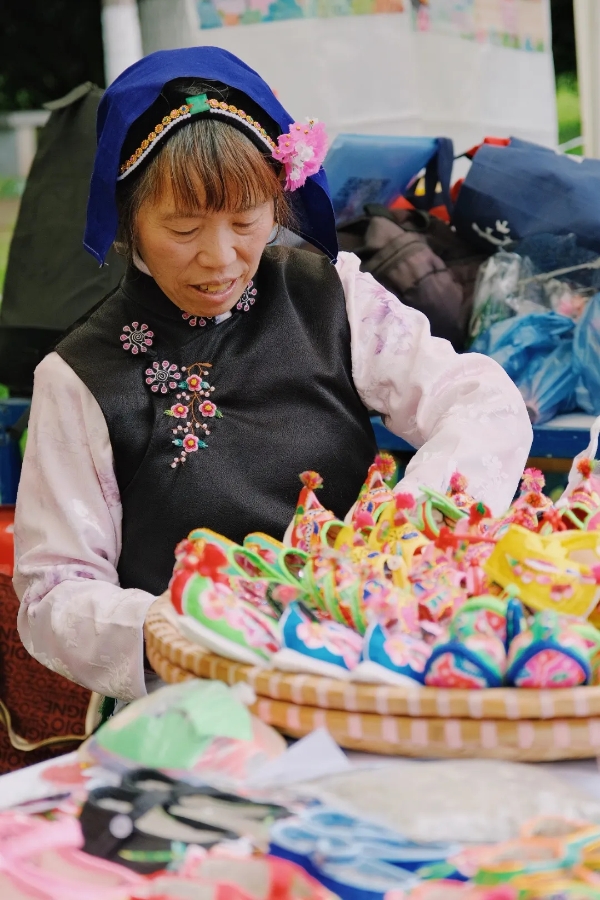
Jin Huizhen is a recognized inheritor of Chenggong District’s intangible cultural heritage embroidery, selected in the district’s fifth round of official designation. Her embroidery skills were not acquired through formal academic training, but gradually refined through years of practice in everyday life. As a young woman, she learned traditional Chenggong embroidery from her mother. In those years of relative material scarcity, she practiced whenever she could, needle and thread rarely leaving her hands.
“When you make something, you should make it well. It should look good and feel comfortable to wear.”This has long been Jin Huizhen’s unwavering principle. Over the years, she has given most of her embroidered works to relatives and friends. “They like them, and that makes me happy,” she says. This simple sense of fulfillment has supported her every step of the way.
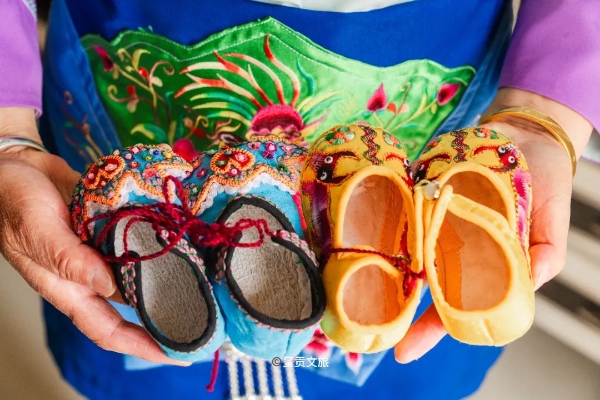
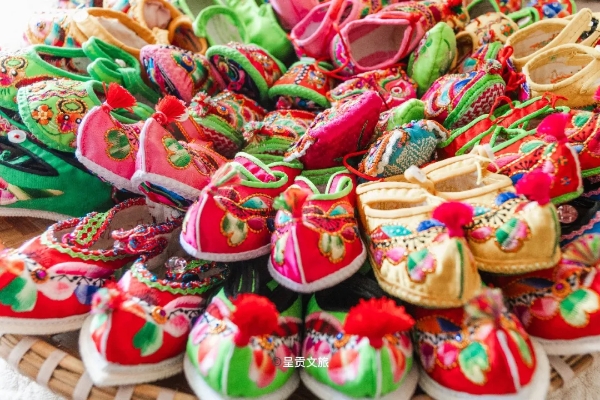
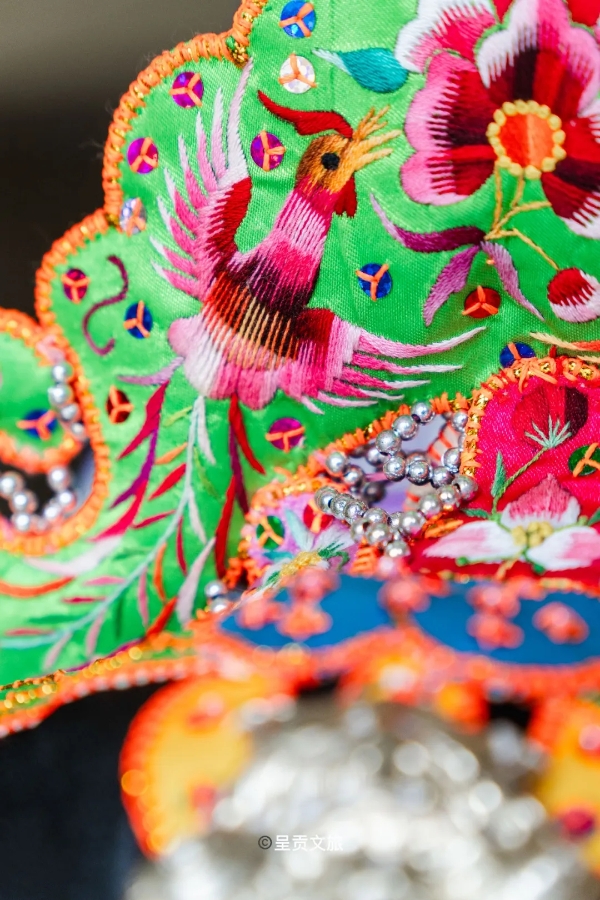
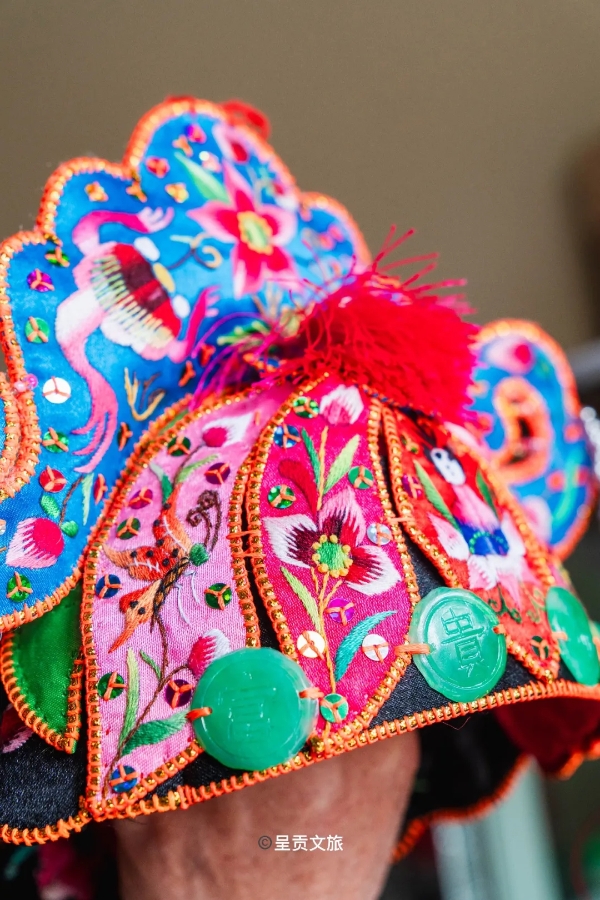
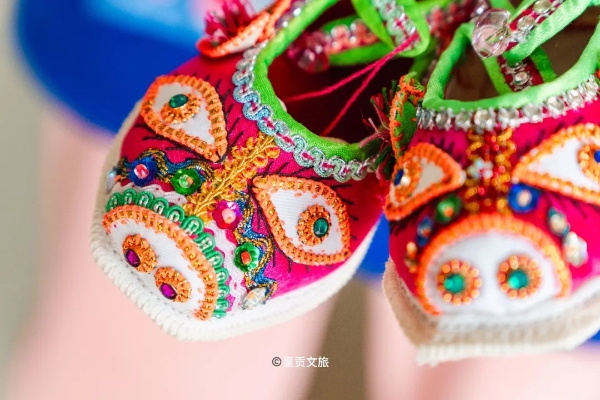
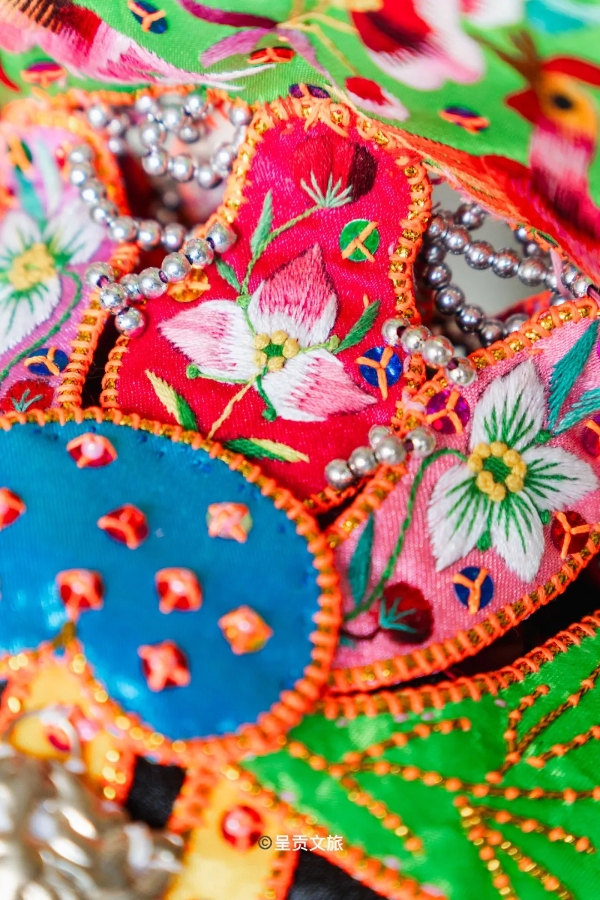
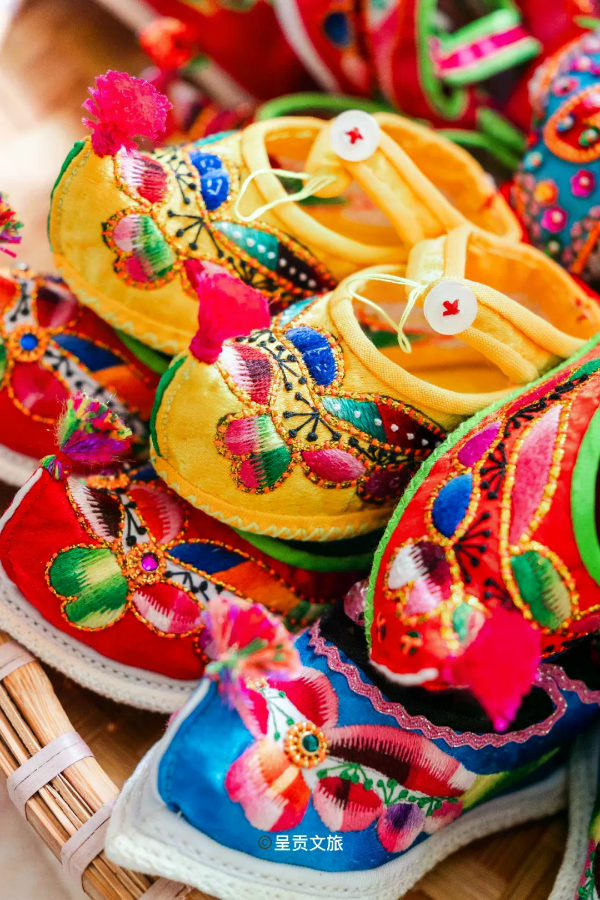
In her embroidery, Jin Huizhen primarily creates traditional garments for infants and young children, such as tiny hats and shoes. These pieces are in high demand and are especially suited to conveying blessings. Infants’ hats are often embroidered with auspicious motifs such as dragons and phoenixes, lotus flowers, butterflies, and Guanyin seated on a lotus, symbolizing peace, health, and a happy life. She explains that these designs are not merely decorative; they embody the elders’ most sincere wishes for newborns.
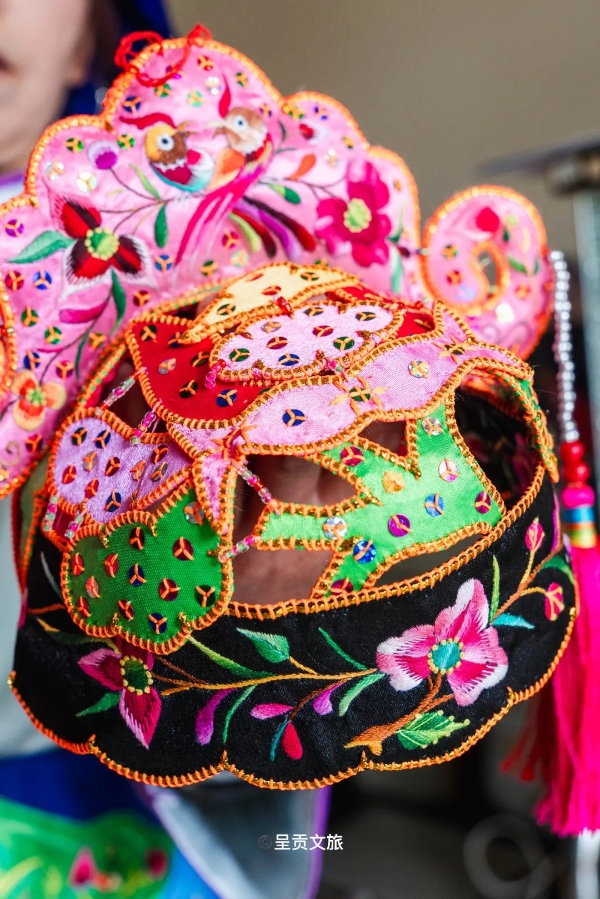
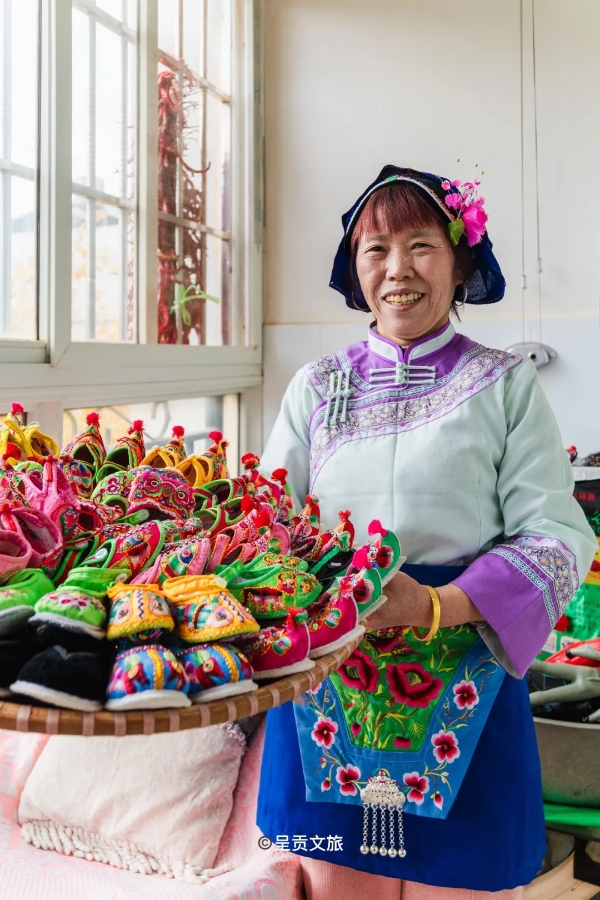
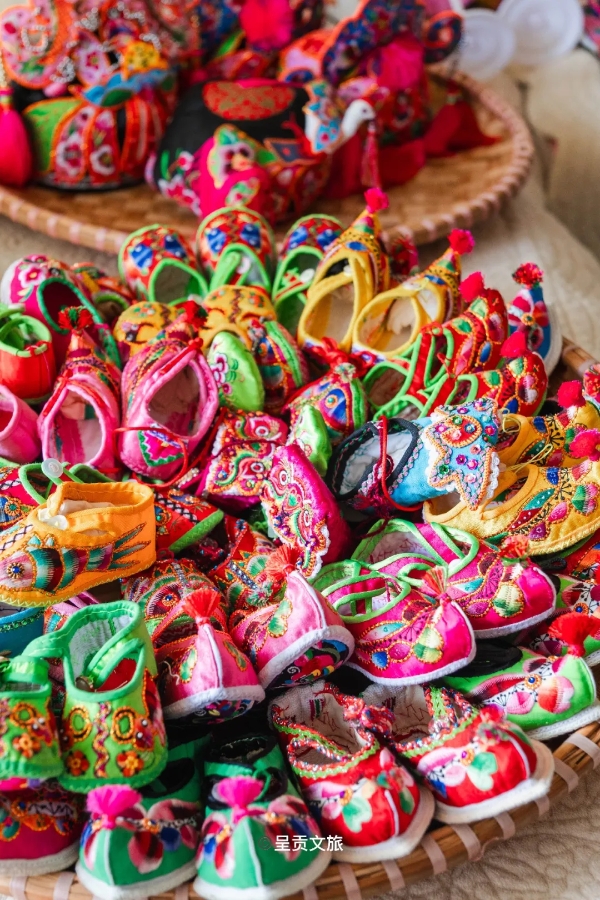
When it comes to color, Jin Huizhen remains true to traditional aesthetics, favoring vibrant and balanced tones. “Little children love bright reds and greens,” she explains, adding that colors should echo those found in nature, shifting gradually from light to dark to create a sense of depth and liveliness in her embroidery. In terms of craftsmanship, she has also adapted tradition to practical needs, replacing the traditionally stiff soles with softer ones, making them more comfortable and suitable for longer wear.
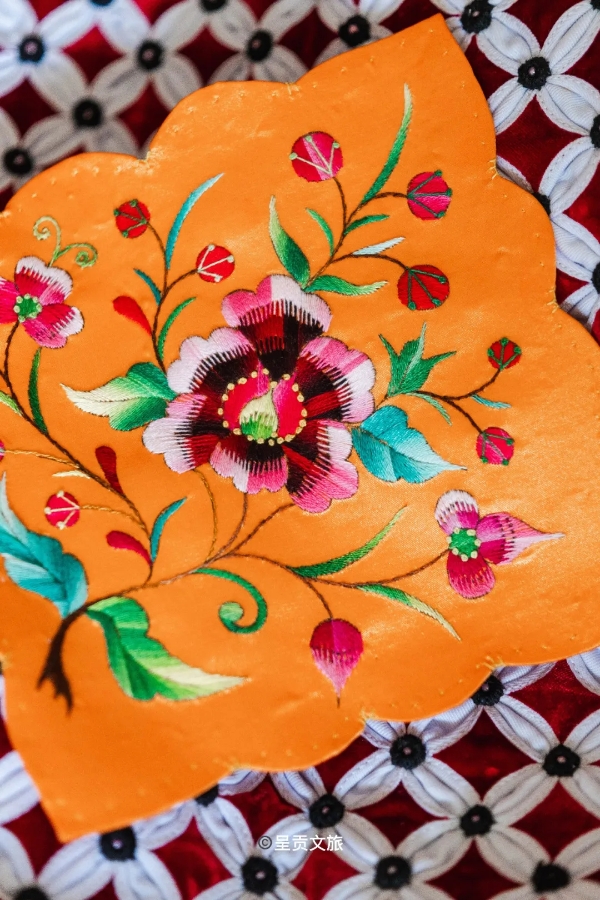
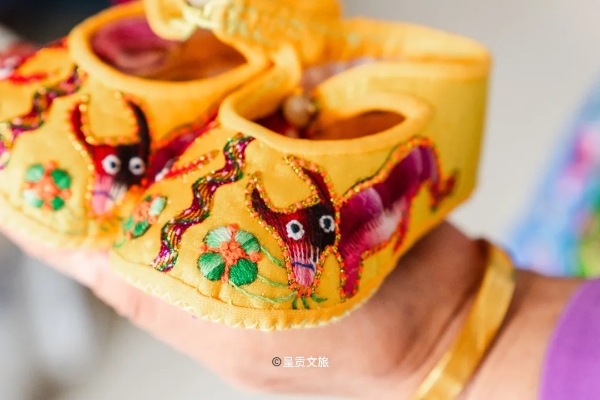
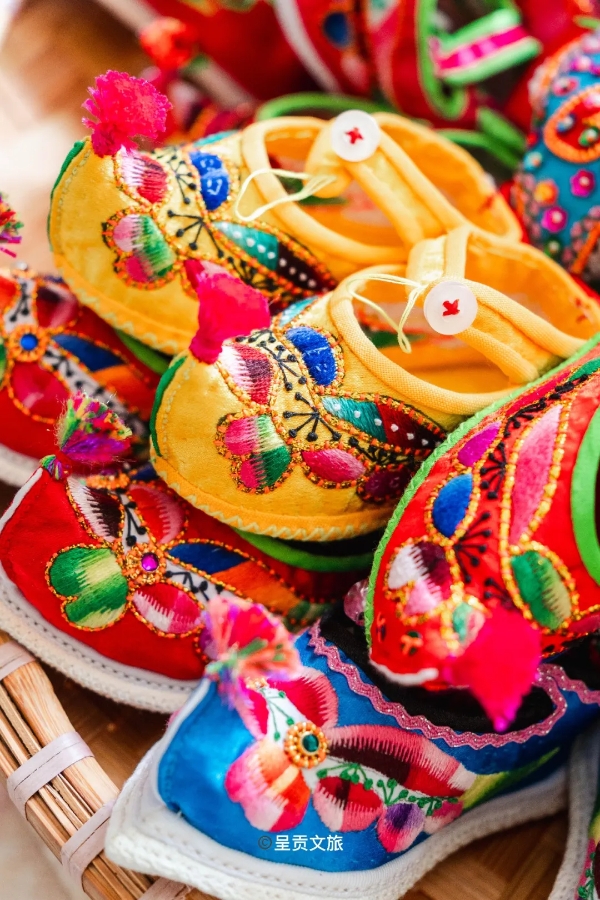
With age, Jin Huizhen’s creative pace has gradually slowed. She admits that age and physical limitations now restrict her output: where she once completed more than ten pieces a month, she can now finish only two or three. Each embroidery session lasts no more than an hour or two before she needs to rest. Yet even so, she has never set aside her needle and thread. The hours she spends embroidering on her balcony have become an indispensable part of her life.
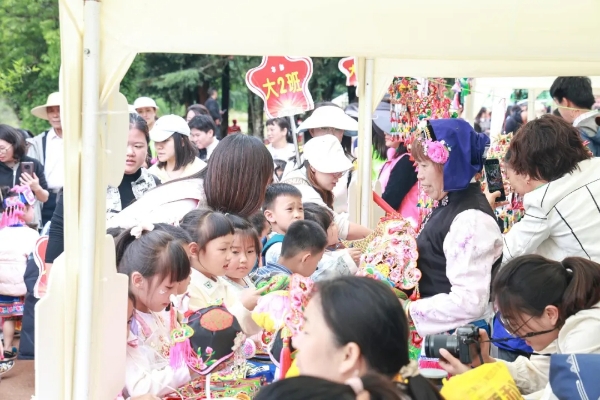
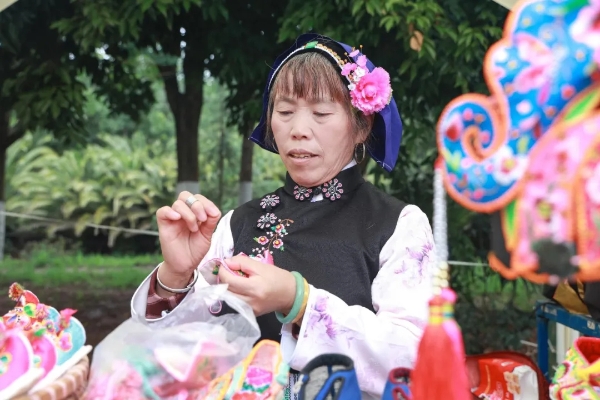
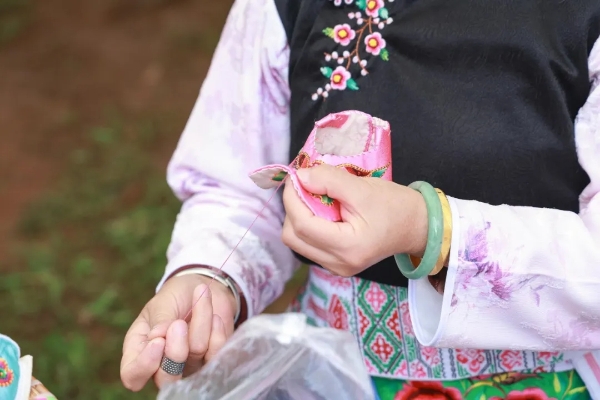
In recent years, the Chenggong District Culture and Tourism Bureau has taken a range of measures to better protect and pass on intangible cultural heritage embroidery. These include establishing archives for heritage inheritors, providing dedicated spaces for teaching and practice, organizing exhibitions and public displays, and promoting initiatives that bring intangible cultural heritage into communities and schools. Together, these efforts have created platforms for inheritors to connect, exchange experience, and showcase their work. Jin Huizhen has also taken part in a number of such exhibitions, presenting her pieces and helping more young people learn about and appreciate Chenggong embroidery.
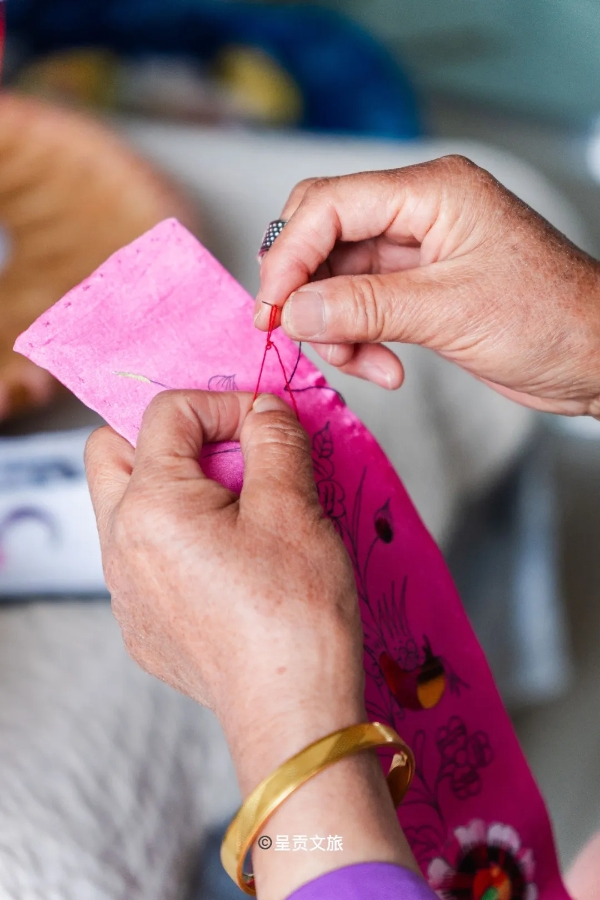
In an age when mass-produced goods have become increasingly common, Jin Huizhen’s quiet persistence in hand embroidery feels especially precious. What is stitched into each piece is not merely decorative patterns, but the aesthetic spirit of an era, the cultural memory of a region, and the extraordinary perseverance of an ordinary individual. Cultural heritage is passed on quietly through such patient accumulation—built stitch by stitch, thread by thread.
Click here to view the Chinese report
(Editors: Doe, Rachel)
You May Like
-
#AmazingChina | From heart of central Yunnan to banks of Sei...
Yi embroidery from Chuxiong, a national intangible cultural heritage with over 1,700 years of history, has captivated the world with its unique charm.
InKunming 2024-12-30 -
Across China: Yi ethnic group invigorates traditional embroi...
Li Ruxiu, 60, walks the runway wearing a cockscomb-shaped hat and black, red, yellow and green clothing, displaying traditional Yi ethnic costumes to tourists.
InKunming 2022-10-20 -
Yi people get rich as their embroidery prospers
InKunming 2019-07-31 -
People of Yi ethnic group make embroidery to support familie...
InKunming 2018-04-08