Kunming’s Vibe: The Authentic Flavors of the Countryside Markets
Source: InKunming | 2025-10-31 | Editor:Evan

To truly feel the pulse of Kunming, there's no need to go to the crowded tourist spots. Just venture into those countryside markets tucked away in the suburbs where you'll find the most authentic local dialects, the simplest handmade foods, and the most vibrant human interactions—a raw, unpolished side of Kunming that captures the heart at first sight.
The Countryside Markets: A City's Living Memory of Hustle and Bustle
For tourists, Kunming's countryside markets offer a unique window into the city. Here, you can experience the most ordinary ways of life in China.
"On the 3rd, 8th, 13th, 18th, 23rd, and 28th of each month, we go to Puji Street." This century-old saying holds the simple rhythm of life for Kunming locals.
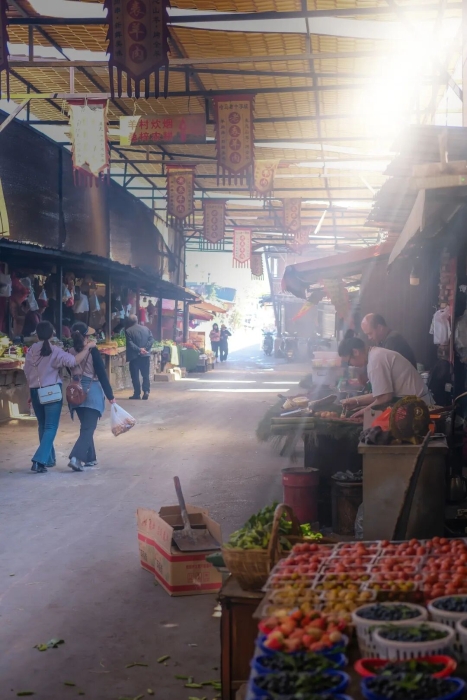
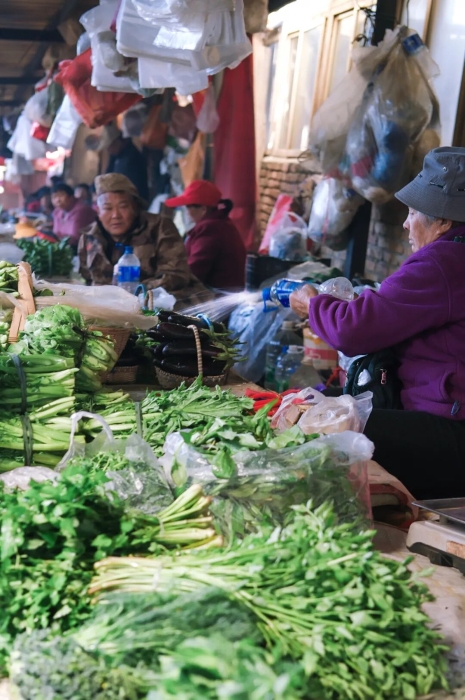
In the early morning, as the first rays of sunlight fall on Dianchi Lake, Puji Sanba Street is already bustling with noise and excitement. The earthy popcorn maker pops open with a burst of aroma, the barber's clippers snip and click, and elderly vegetable vendors appraise the quality of their termite mushrooms in the local dialect. Here, time seems to slow down.
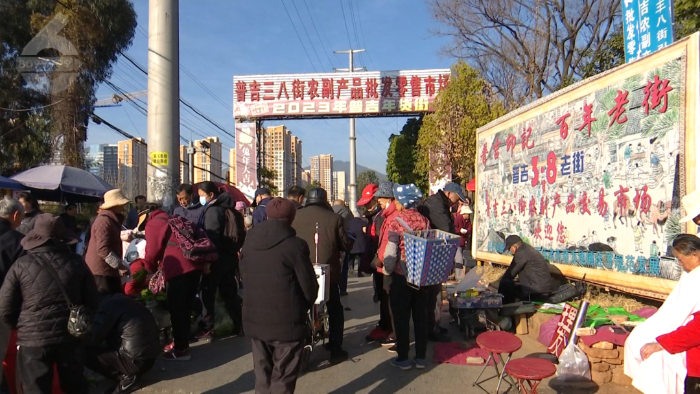
Meanwhile, the Longtou Street, established in the Ming Dynasty, was once a rest stop for horse caravans known as "Little Hong Kong." Every Wednesday, the villagers still flock to market with their baskets where fresh fruits and vegetables, specialty snacks, and handmade goods abound. During the War of Resistance Against Japanese Aggression, figures like Liang Sicheng and Lin Huiyin took refuge here, adding a layer of historical weight to this old street.
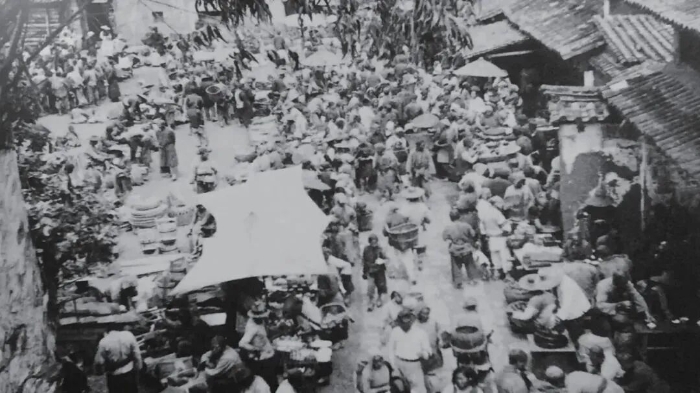

"The soul of the countryside market lies in its 'original ecology'," pointed out a professor from Yunnan University of Finance and Economics. "Excessive commercialization can dilute its authentic vibe. Developing these markets requires avoiding the homogenization trap of 'every street looking the same'."
Kunming's Countryside on the Tip of the Tongue: Savoring the True Taste of Life
For many, the best way to get to know a city is through its food. "You must come on an empty stomach!" is the consensus among seasoned market-goers.
At Hamazhe Yi Ethnic Food Street, Yi vendors line the street selling grilled corn, bamboo tube rice, and chicken grilled in pepper leaves. The golden, crispy skin wraps around tender, juicy meat; take a bite, and the flavor instantly bursts in your mouth.
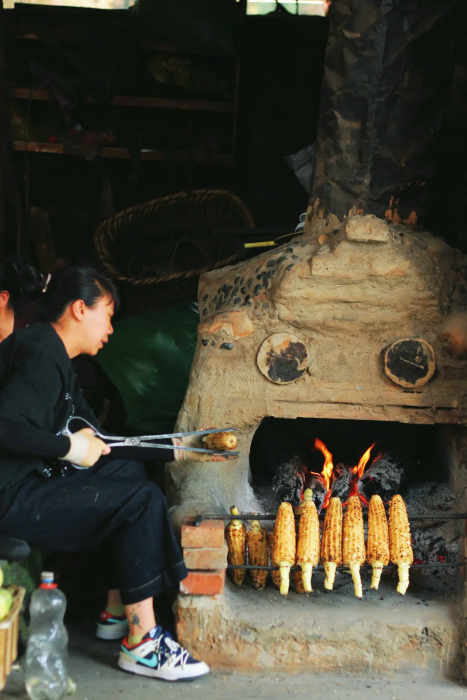
At Longtou Street, freshly grilled Erkuai (Yunnan rice cakes) with fried dough sticks, Xidoufen (savory pea jelly) with fried dough sticks, stewed beef, and horse caravan-style Niuganba (dry-cured beef)—each one makes people stop in their tracks.
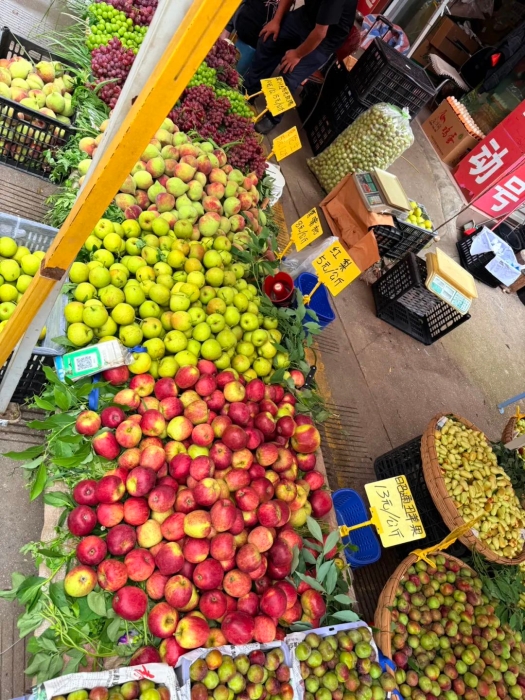
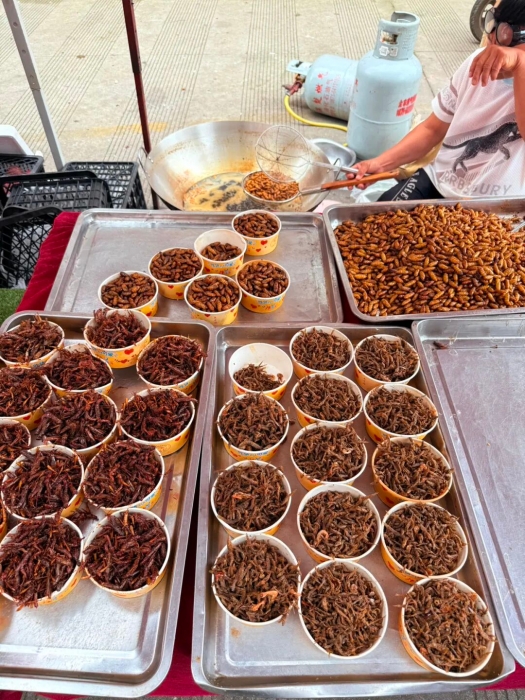
In Aziying Countryside Market, Mao tofu (hairy tofu), honeycomb honey, free-range eggs, and Miao-style smoked cured meat are even harder-to-find rustic flavors not typically seen in city restaurants.
When Countryside Markets Meet New Scenes: The Fascinating Clash of Tradition and Modernity
Kunming's countryside markets are not stuck in the past. They are embarking on an exploration that blending tradition with modernity, rooted in their century-old vibrant atmosphere.
At Xishan District's Chunyu 937 Cultural & Creative Park, an old smelting factory has been transformed into a creative space. Every Sunday, market stalls are set up in the park, offering fresh fruits and vegetables, dried goods, snacks, and handicrafts. While tourists immerse themselves in the lively market, they can also be just a few steps away to take photos at the "Kunming" Instagram-worthy location, stroll up the romantic staircase, and feel the urban artistic vibe.
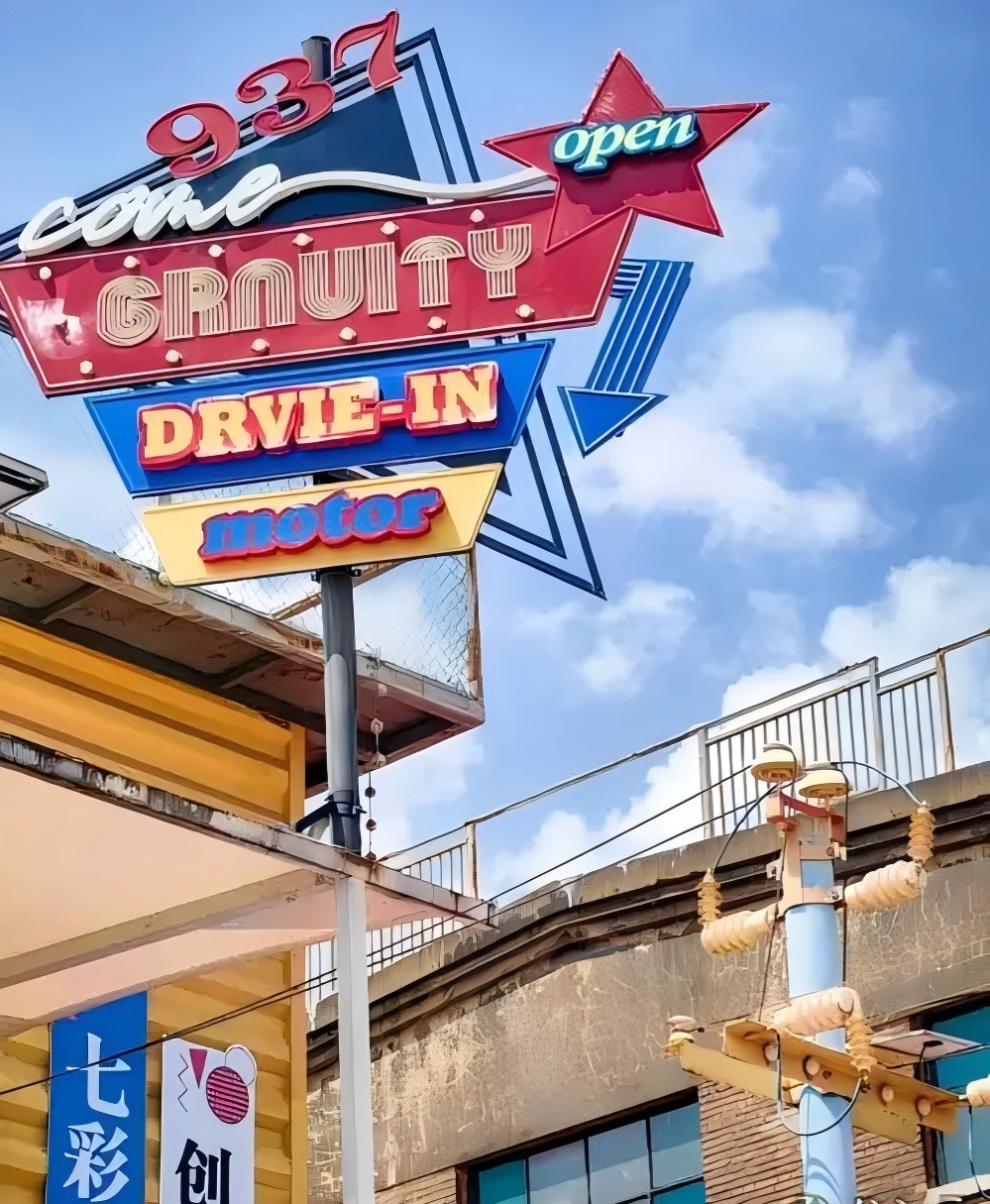
"Moving the countryside market into the cultural and creative park isn't a simple replication; it's about creating a dialogue between the lively market atmosphere and the industrial heritage," said a director from the Xishan District Culture and Tourism Bureau.
At Majie Market, vendor Xiao Wang has a live-streaming stand set up in front of her pickle stall, with a phone screen showing the process of chopping chili peppers in real-time. "One live stream can sell three times the usual amount. Many fans from other provinces say they want to come to Kunming to experience a real market day." Her Douyin account already has 56,000 followers.
This model of "online promotion plus offline experience" is quietly gaining momentum in Kunming's countryside markets, bringing life to the traditional bazaars.
From Market to Name Card: The Future of Kunming's Countryside Markets
This year, Kunming is focusing on developing 54 villages for the integrated development of agriculture, culture, and tourism. This is a new round of the "Hundred Villages Initiative," following the renovation and upgrading of 46 key villages along the Dianchi Lake shoreline.
In the near future, these once-hidden suburban markets might, like Dianchi Lake, become another name card Kunming presents to the world—a "vibrant name card" carrying the aroma of grilled Erkuai, mixed with the sounds of dialect hawkers, and filled with stories of old Kunming.
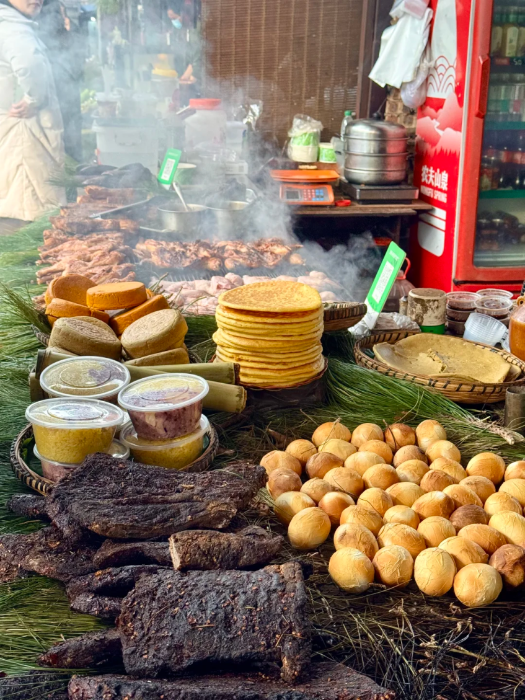
From the "Shuma Street" of the late Qing and early Republic of China era to the cultural creative markets within industrial heritage sites, the evolution of Kunming's countryside markets is a testament to the cultural vitality of a city. Here, what you feel is not just the hustle and bustle of daily life, but also the enduring philosophy of life that has characterized Kunming for centuries.
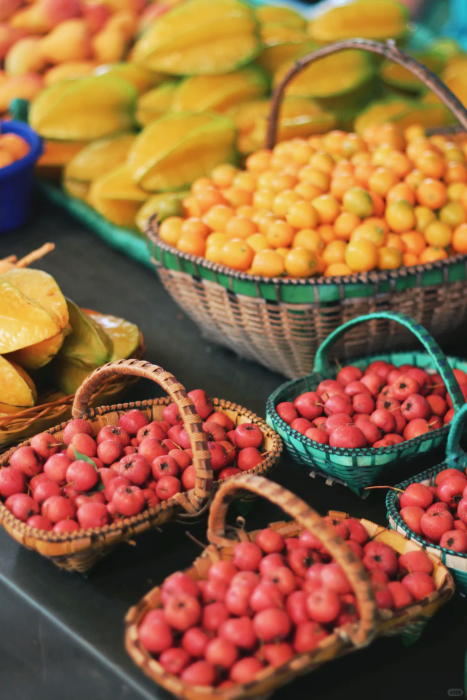
With the scent of drifting kitchen smoke, the cadence of vendor calls, and the vibrant display of fresh produce and seafood... This is the essence of country market. This is life in its most authentic form. Find some time to wander through these places and soak in the pure, unadulterated taste of Kunming. Here, everyone can find their own memory of this vibrant life—no matter where you come from.
You May Like
-
Chenggong Qibuchang Tofu Long-Street Feast Kicks off with Pi...
As late-October Kunming turns nippy, nothing beats a bubbling hotpot for comfort. The 6th Chenggong Qibuchang Tofu Cultural Tourism Festival (Oct 31–Nov 2) ans...
InKunming 2025-10-27 -
All aboard "Colorful Yunnan·Kunmimg" for a slow-paced cross-...
At the 2025 First International Travel Services Conference in Sanya, China unveiled its first premier cross-border tourist train – the "Colorful Yunnan · Kunmi...
InKunming 2025-10-20 -
Your 3-Day Kunming Getaway: Where Coffee Aromas Lead to Roma...
This National Day holiday, instead of rushing through the crowds, let the aroma of coffee guide you through Kunming’s streets and alleys, and soak in the roman...
InKunming 2025-09-30 -
In Kunming, Tourism is Basic, Sojourning Stands Out
The internet is abuzz with the recent trend: "If X is basic, then Y is not." In Kunming, ticking off tourist spots is the basic approach, but sojourning is trul...
InKunming 2025-09-02